
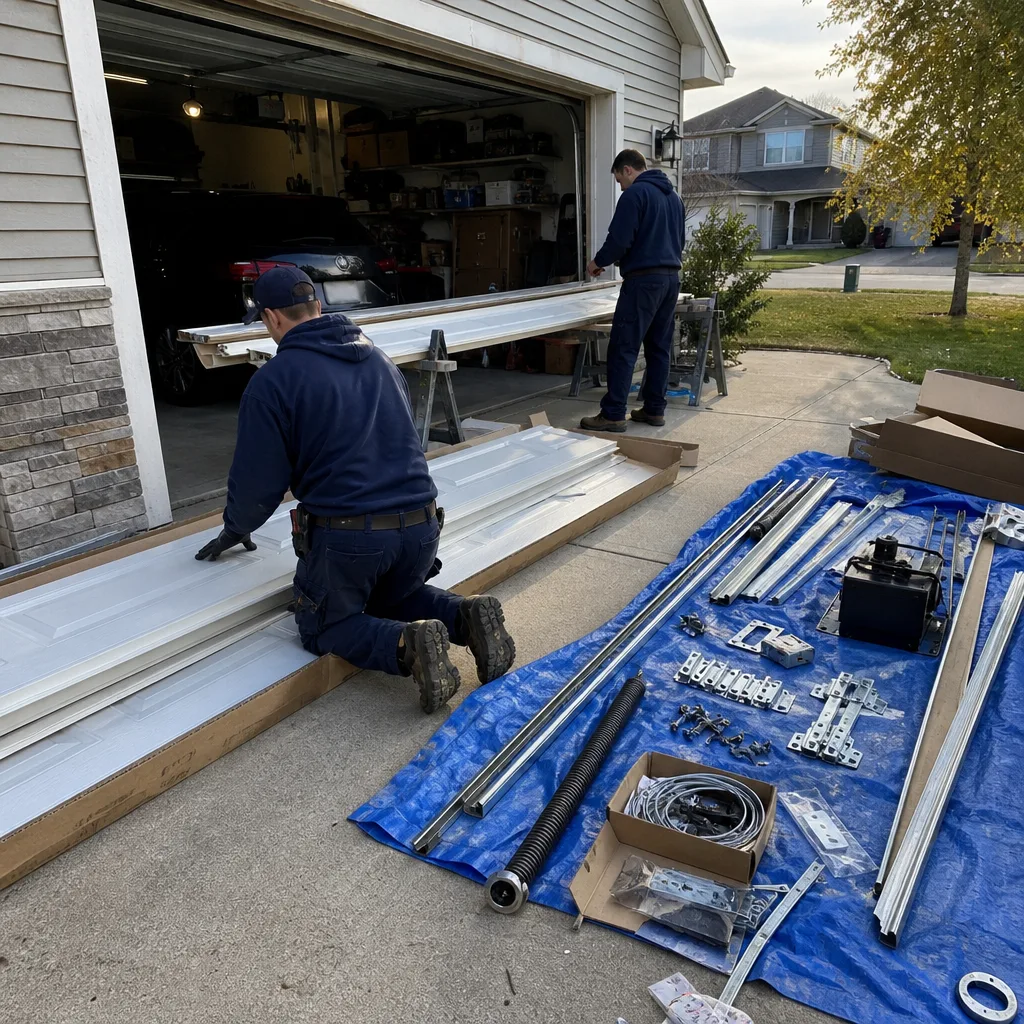
Last updated November 21, 2026
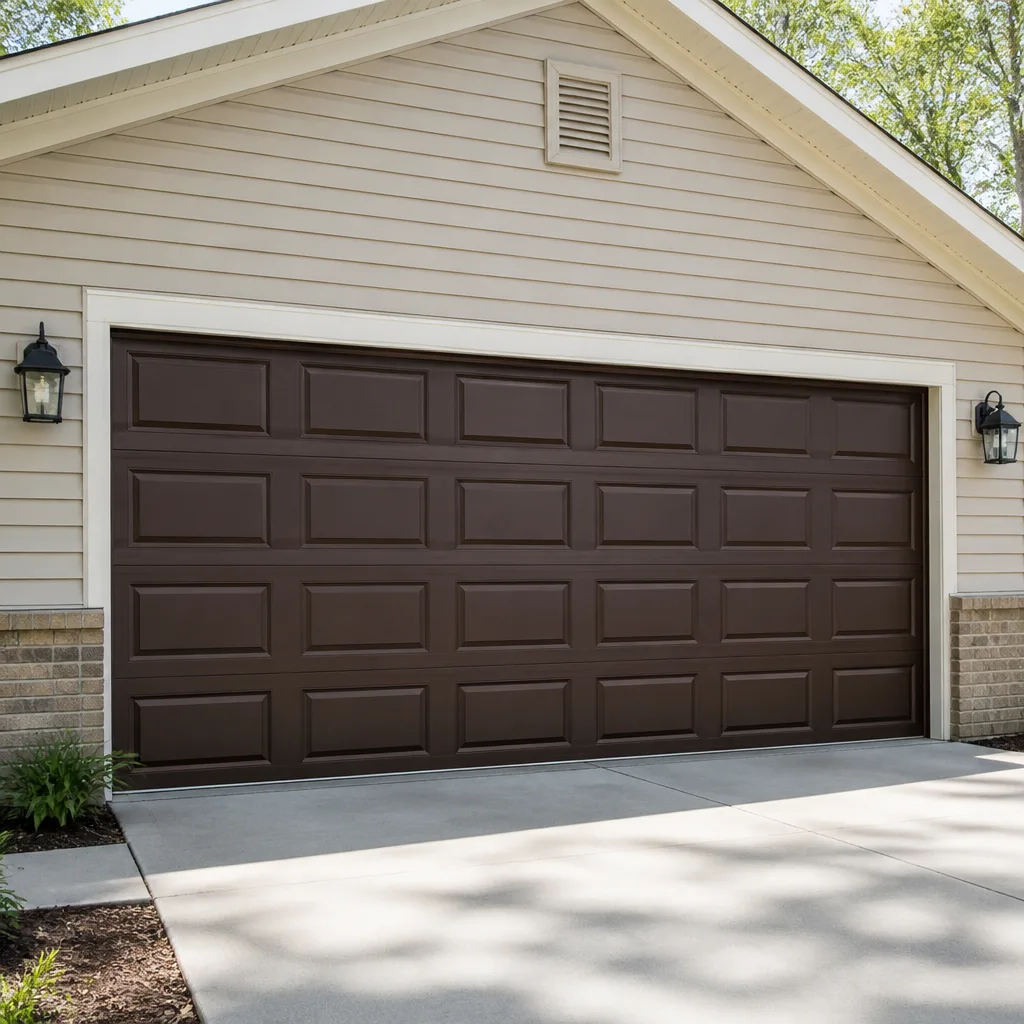 Raised-panel steel
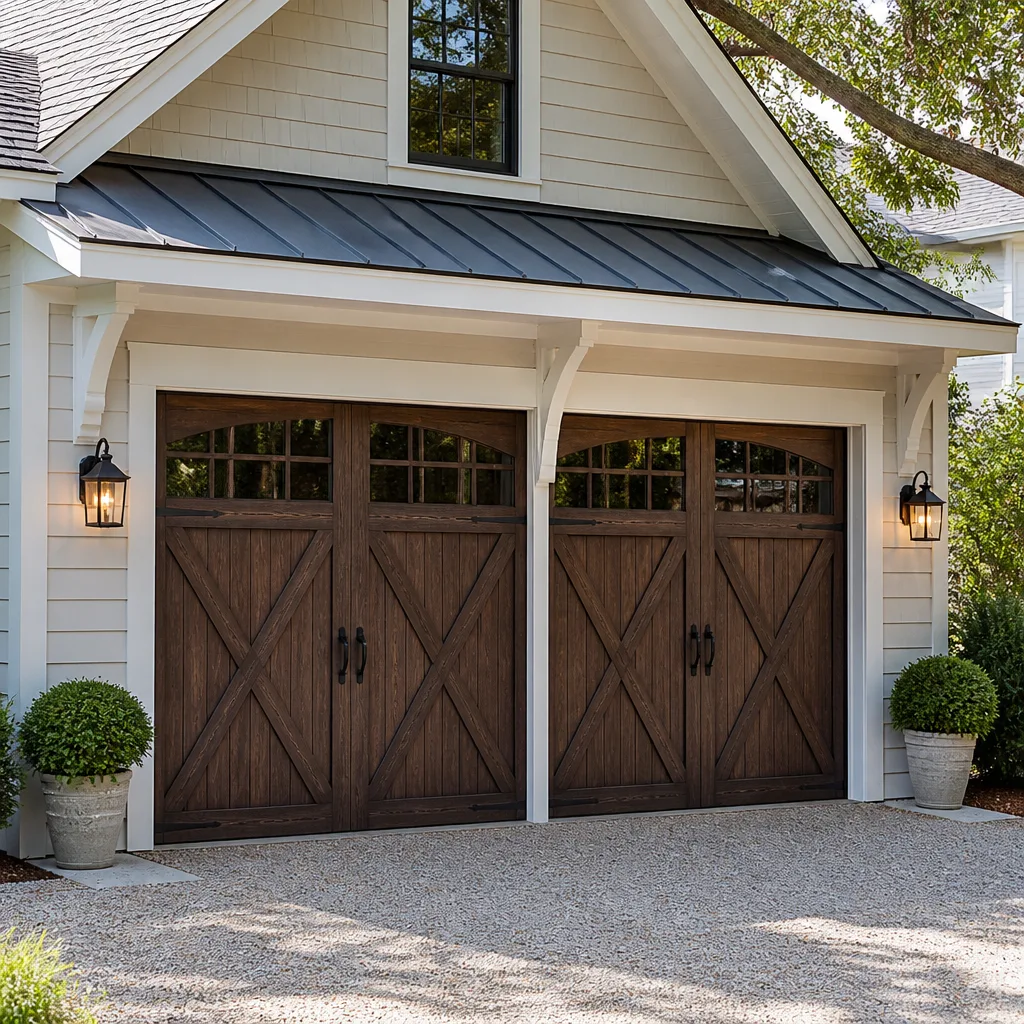 Carriage house
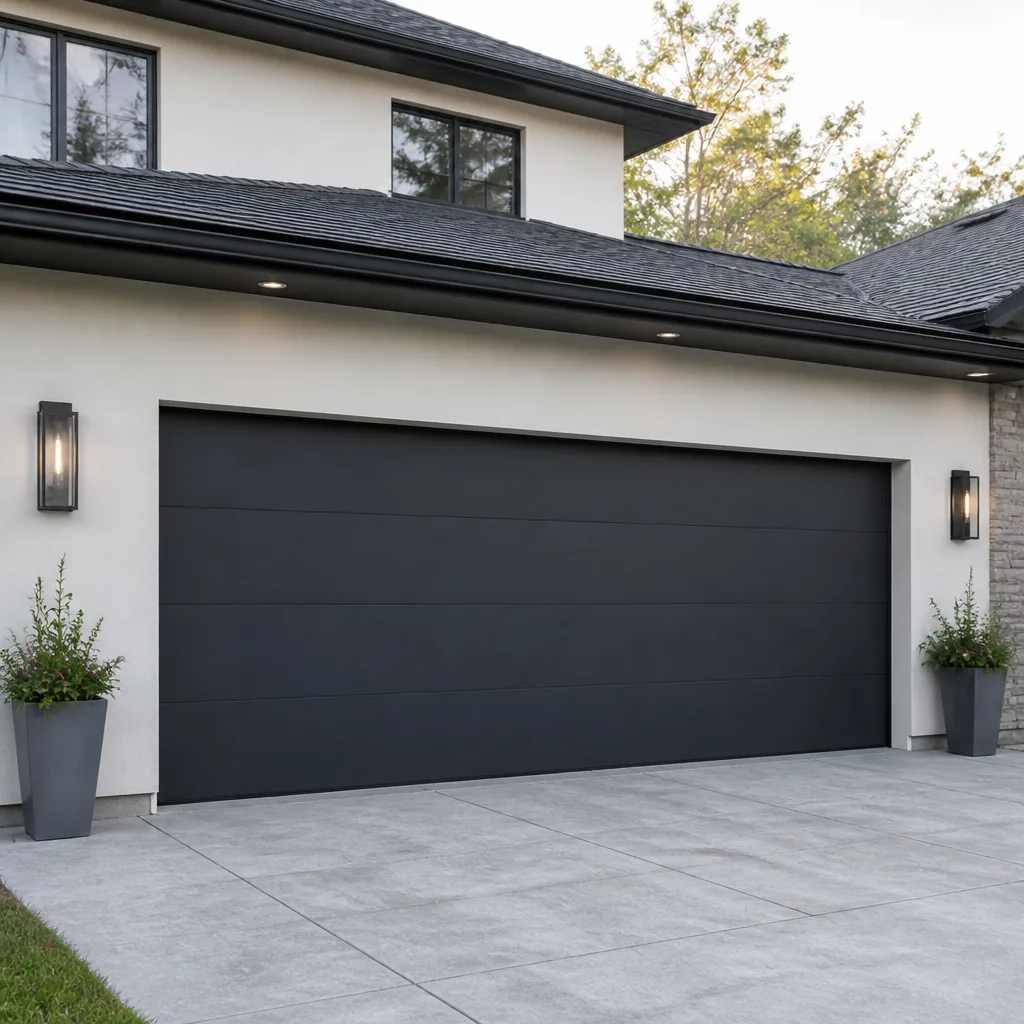 Modern flush
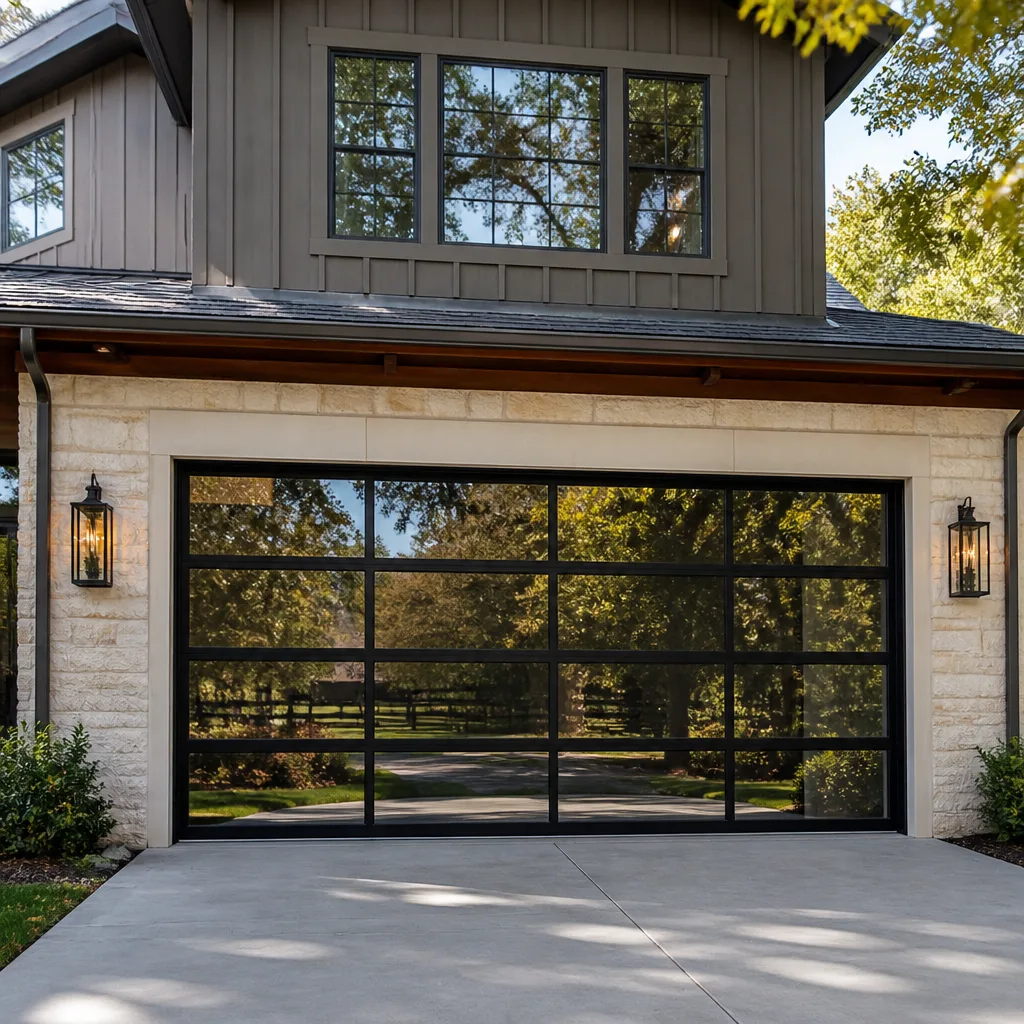 Full-view glass
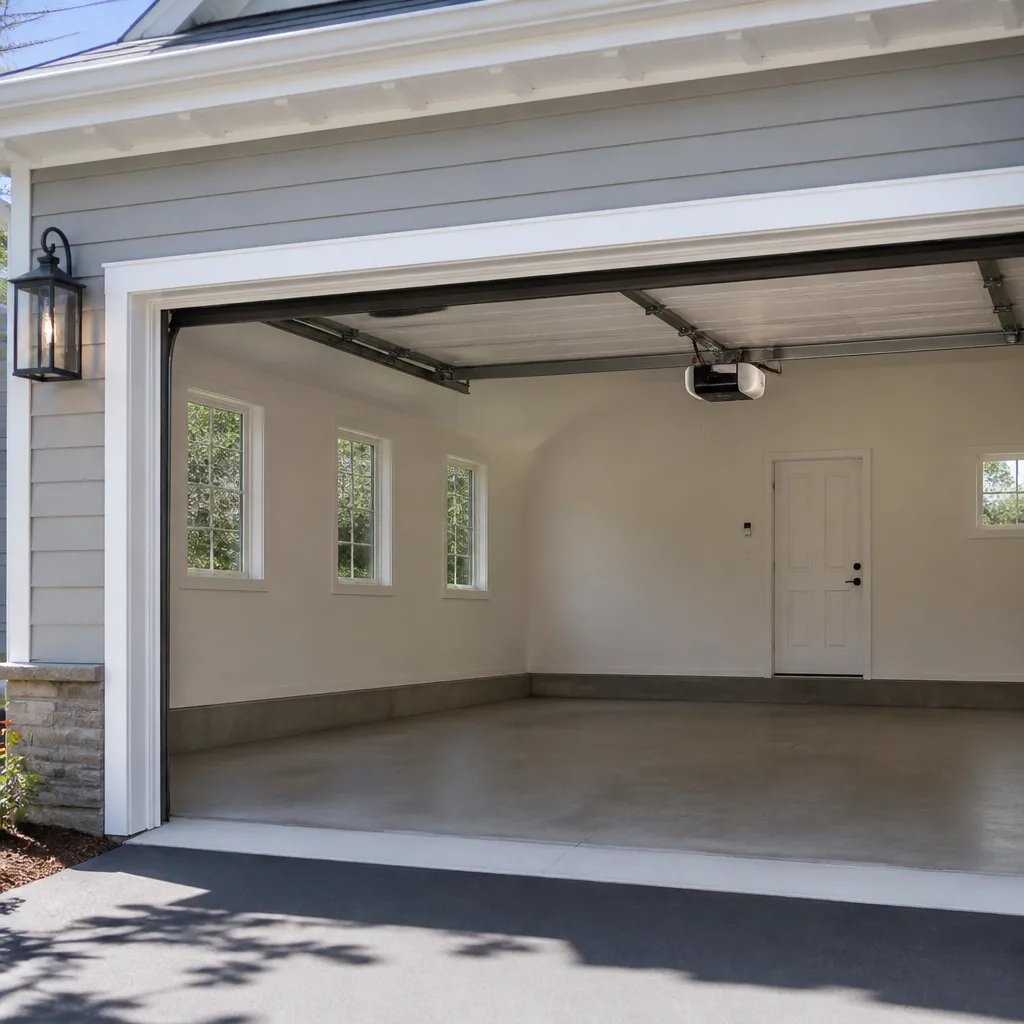 LiftMaster openers
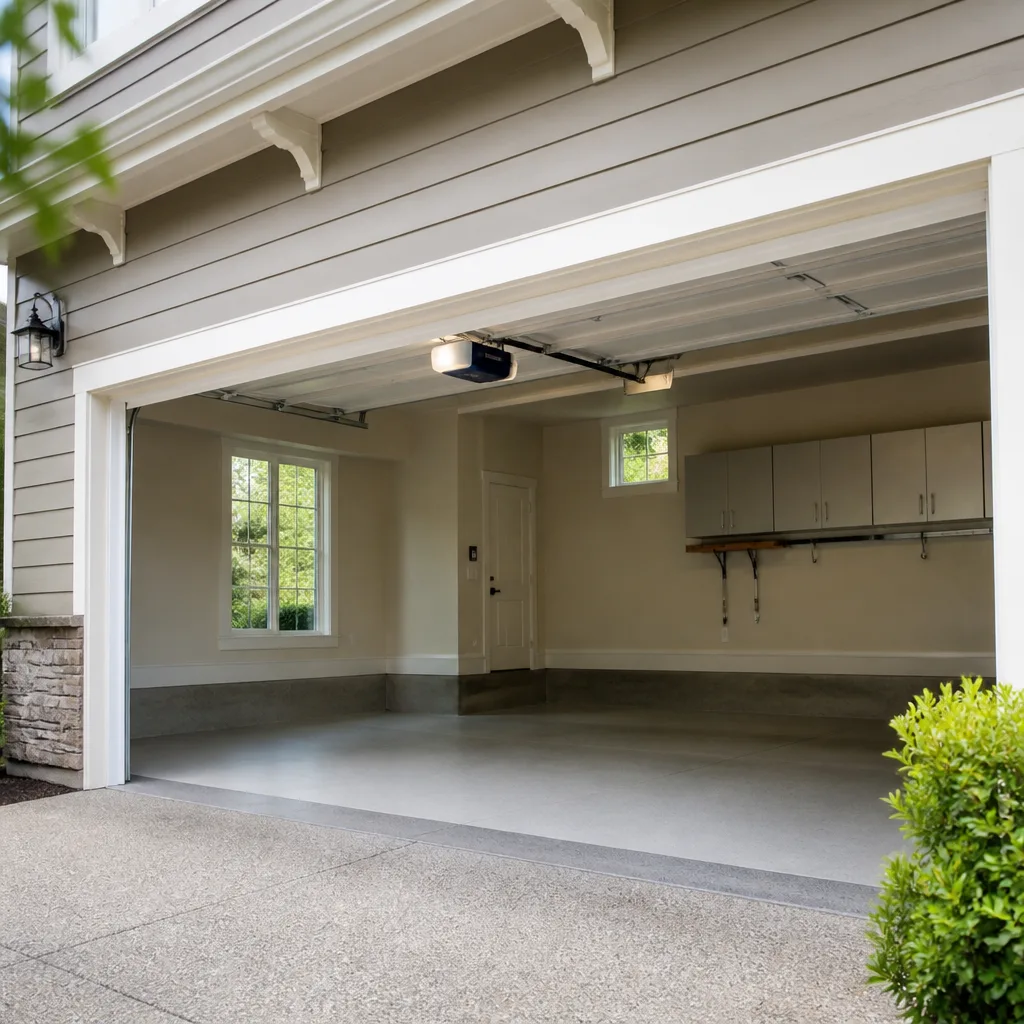 Chamberlain openers
Full 25-point door and opener safety check with every visit - springs, cables, rollers, tracks, and your LiftMaster or Chamberlain opener included
You get a price before we start. It does not change when the pro arrives.
Get your free estimateSeasonal Garage Door Care for Blaine: Year-Round Homeowner’s Guide
Most homeowners in Blaine think about their garage door exactly twice: the day it’s installed and the day it stops working. That gap is where expensive repairs hide. The February morning when a torsion spring snaps or an opener grinds to a halt almost always traces back to a small task missed months earlier. Timing is the part almost nobody talks about, because the failures that feel sudden are actually predictable: cold snaps, thaw cycles, and summer humidity each stress a specific set of parts in a specific order. This guide maps the right maintenance tasks to the conditions that make them matter in Blaine, and shows you where a trained eye is worth calling in.
Quick Answer
Garage door care in Blaine should follow four seasonal checkpoints, not one annual tune-up: a fall prep before the first freeze, a winter operational check when temps drop below 0°F, a post-thaw inspection in spring after frost heave moves the ground, and a summer review of UV and humidity damage. Most doors need 20-30 minutes of homeowner attention at each checkpoint, plus a professional spring and cable inspection at least once a year.
Styles & brands we work with
- Raised-panel steel
- Carriage house
- Modern flush
- Full-view glass
- LiftMaster openers
- Chamberlain openers
Table of Contents
- Why Blaine’s climate creates four failure windows
- Fall prep: what to do before the first freeze
- Winter operations: how sub-zero cold changes your door
- Spring post-thaw inspection: what frost heave does to your threshold
- Summer focus: UV, humidity, and hot garages
- The 12-month maintenance calendar for Blaine
- Common mistakes to avoid
- When to call a professional
Why Blaine’s Climate Creates Four Failure Windows
Blaine sits in Anoka County at the edge of the northern tier of the Twin Cities metro, which means it gets the full continental swing: hard freezes in December, January cold snaps that push below 0°F, a spring thaw cycle that drives moisture into every concrete slab, and July humidity that makes garages feel like saunas. A garage door has to operate reliably across all four. Most garage doors aren’t maintained that way.
The reason seasonal care matters is that different components fail at different times of year. Torsion springs weaken slowly with every cycle, so their failure is often triggered by the cold rather than caused by it. Bottom seals crack first in the summer sun and only reveal their failure in winter when drafts pour through the gap. Concrete thresholds move with frost heave in spring, which changes how the door meets the seal for the rest of the year. Add in opener motor performance, battery backup behavior, track alignment, and cable tension, and you have a dozen small systems that each respond to a different season.
Skipping a seasonal task doesn’t fail immediately. It stacks. A worn bottom seal left alone through one winter often means a rusted bottom section by the following spring. A cable that was fine in September can become a snapping hazard when a January cold snap contracts the steel. Homeowners in Blaine who ignore their doors for years usually find out all at once, and those are the calls we get. The timing is predictable. That means the fix is too, if you get ahead of it.
Here’s the reframe worth taking away from this guide: you’re not maintaining a door once a year, you’re maintaining four different doors that share the same hardware, depending on what the weather is doing. Read each section as a separate job with its own checklist, and you’ll stop chasing failures.
Fall Prep: What to Do Before the First Freeze
Fall is the most important checkpoint in Blaine, because it’s the last chance to catch problems before the cold locks them in. Garage door work in single-digit temperatures is harder on the hardware, harder on the technician, and often slower on parts and scheduling. Getting these tasks done in September and October pays for itself many times over by February.
1. Inspect the bottom seal
The bottom seal, sometimes called the astragal, is the rubber or vinyl strip along the bottom edge of the door. It’s the first line of defense against cold air, moisture, snow, and small animals. Run your hand along it, or use a flashlight in daylight, and look for cracks, brittleness, flattening, or gaps where the seal meets the concrete. A seal that’s starting to fail in October will be leaking badly by January. Replacement seals are one of the least expensive parts on the door; a rotted bottom section from trapped moisture is not.
2. Check the threshold seal
The threshold seal is the piece attached to the concrete floor rather than the door. It takes the actual impact of the door closing, and in Blaine it also absorbs freeze-thaw movement. If yours is crushed, torn, or missing chunks, the door has nothing solid to seat against. That gap is where snow blows in and where the bottom seal wears out early.
3. Lubricate everything that moves
Rollers, hinges, and the torsion bar bearings all benefit from a proper garage door lubricant before the cold sets in. Use a product meant for garage doors, not general-purpose oil. Light oil migrates and attracts dust. Silicone-based or lithium grease lubricants keep their film at low temperatures, which is what you need when the first cold snap arrives.
4. Test the safety reverse
Use a small block of wood (or a rolled-up piece of foam) in the door’s path to test the safety reverse and the photo-eye safety sensor. This is the same test that should be done monthly year-round, but it’s more important in fall because cold weather can affect opener motor response time and lead to inconsistent stopping.
5. Test the door balance
Disconnect the opener (most models have a pull rope or release handle) and lift the door halfway by hand. It should stay where you put it. If it falls, closes on its own, or is hard to move, the springs and cables are working harder than they should. This is a sign to stop pulling and call for an inspection. Never test or adjust the torsion springs and cables yourself. They’re under extreme tension, they can release without warning, and they are the single most dangerous component in a garage door system. This is where a trained professional with the right tools and a proper inspection is not optional.
6. Check cable tension after the first cold snap
Metal contracts as temperatures drop below freezing. Cables that felt snug in mid-September can lose operating tension on the first really cold morning. Listen for slack, watch for cable lift off the drum, and look for a door that closes at an angle. If you see any of that, stop operating the door and get it inspected. This is not a homeowner adjustment.
Once these six steps are done, your door is set up for the whole winter. If you’d rather have a professional walk through them – especially steps 5 and 6, which require hands on the springs and cables – garage door repair in Blaine can cover the full checklist in a single visit.
Winter Operations: How Sub-Zero Cold Changes Your Door
Blaine gets real cold. Not the “cold for the Twin Cities” kind, the actual below-0°F weeks that push everything in the garage into a different operating regime. That cold doesn’t just make you uncomfortable; it changes how the door works.
How cold affects opener motor torque
Every garage door opener has a motor that provides torque, and torque drops as the grease and lubricants in the motor and gear train thicken in the cold. Add to that a heavier door (metal cold-stiffens, seals press harder against the threshold) and the opener is suddenly doing more work with less available power. LiftMaster and Chamberlain openers tend to hold up well in cold-weather operation because their controls include force limit adjustments and low-temperature-rated motors, but no opener is immune if the door is under-lubricated or out of balance. If you notice the door struggling to open in January, don’t just raise the force setting. Fix the friction first. Raising force without a diagnosis makes the opener work harder, not better.
Battery backup units in sub-zero cold
If your opener has a battery backup (many newer LiftMaster and Chamberlain models sold in the last several years do), the cold will cut its effective capacity. A backup battery is a way to keep the door working during a power outage, not an all-winter deep-freeze solution. In a January cold snap, expect the door to run shorter on backup than it would in July. If the unit is more than a few years old, a battery replacement in fall is far less frustrating than finding out it’s dead during a power outage.
Why LiftMaster’s cold-weather performance specs matter in Anoka County
LiftMaster’s residential line is rated for operation down to lower temperatures than many budget openers, which matters in Anoka County’s climate. Genie and Chamberlain also offer cold-rated models, and the difference is real. If you’re replacing an opener and cold-weather reliability is your priority, this is worth asking about specifically, rather than going with whatever the hardware store has on the shelf in September when everyone is buying.
What to check during the cold months
- Unusual sounds. Grinding, groaning, or squealing means friction somewhere. Fix it, don’t ignore it.
- Slow or labored opening. A door that feels sluggish in cold weather is being asked to do too much. It’s usually lubrication and balance.
- Door closing crooked. Often a sign that one side of the torsion system isn’t carrying its share. Stop operating and get it checked.
- Frozen seals. If the bottom seal is sticking to the threshold, don’t force the door. A door that peels itself off the ground every morning will wear the seal out fast.
- Snow and ice under the door. A few inches of ice on the threshold means the door isn’t seating. Clear it. Never pick at it with a shovel blade against the seal.
- Backup battery charge. Test it once a month.
If the door stops responding in a cold snap, that’s usually an opener fault rather than a spring or cable failure. garage door opener repair in Blaine includes diagnostics for the opener, remotes, wall control, safety sensors, and force settings, so the actual fault gets found rather than guessed at.
Spring Post-Thaw Inspection: What Frost Heave Does to Your Threshold
Frost heave is the movement of soil and concrete as groundwater freezes and expands, then thaws and settles. In Blaine, the cycle repeats several times through March and April, and by the time it’s done, the relationship between your garage floor and your door has changed. Doors that seated perfectly in November often don’t seat the same way in May.
How frost heave creates uneven door contact
If the concrete slab underneath your garage door heaves even a quarter-inch, the door will make contact unevenly. One side presses hard against the threshold, the other lifts slightly. You may not notice at first, but the pressure side of the bottom seal flattens and cracks nearly twice as fast as the rest of the seal. That’s a wear problem that shortens the life of a part you’d otherwise expect to last years.
What to check after the thaw
- Look at the door in the closed position from outside. Is there a visible gap on one side? Is the door making even contact across the width?
- Run the door a few times. Listen for scraping at the threshold, one side making contact before the other, or a bottom seal that “catches” instead of releasing cleanly.
- Inspect the threshold seal and bottom seal together. If one side of the threshold is lifted or broken, the bottom seal is going to wear fast on that side unless the threshold is repaired.
- Check the tracks. Frost heave can also disturb the floor anchor points on some track systems. If a track feels loose or the door wobbles, stop and get it inspected.
- Look for standing water or efflorescence. A wet spring is the test of whether the door is sealing.
Adjusting the door or adjusting the threshold?
Most of the time, the adjustment is at the door: a bottom bracket or track position change can restore even contact without touching the concrete. In some cases the concrete is what needs work, and that’s a mason’s problem, not a door technician’s. What matters is diagnosing which. Homeowners who try to compensate by adjusting the springs or the opener force setting are solving the wrong problem and creating a new one. Our technicians have up to 12 years of experience with exactly this diagnosis, and it’s a common reason we get called out in Blaine in April and May.
Spring post-thaw is also the safest time to get an annual spring inspection done. The winter is over, the door has done its heaviest seasonal work, and any hidden cable or spring wear has had a full winter to show itself. If you haven’t had the springs looked at since last spring, this is when to schedule it. See garage door spring repair in Blaine for how that inspection is handled.
Summer Focus: UV, Humidity, and Hot Garages
Summer is when the garage door quietly degrades. It’s not dramatic, but it’s real: UV exposure, humidity, and heat each attack a different part of the system. Nobody thinks about summer as a problem season for a garage door, and that’s exactly why summer damage goes unnoticed until fall. Pay attention now and you’ll save the fall repair bill.
UV degradation on composite and vinyl panels
Blaine’s summer sun is strong enough to fade and chalk composite and vinyl door surfaces within a few seasons. The visual damage is cosmetic, but the structural effect isn’t: UV exposure makes many vinyl materials brittle, and a brittle panel is more likely to crack when the first hard freeze hits in November. Clopay and Amarr both use UV-resistant coatings on their composite and steel panels for this reason. If your door is more than several years old, look for fading, chalking, or a chalky residue washing off the surface after rain. That’s the finish breaking down, and it accelerates with every summer.
Humidity and wood door track binding
Wood garage doors are beautiful and they move with humidity. In Blaine’s July and August humidity, a wood door can swell enough that the panels bind against the tracks, and the opener has to work harder to move them. That’s not a motor problem and it’s not fixable by raising force. It’s a moisture and finish problem, and the fix is either refinishing the door or adjusting the tracks to accommodate the seasonal movement. Ignore it and the extra strain shows up on the opener motor and the torsion springs by fall.
Opener ventilation in hot garages
Garages in Blaine get genuinely hot in July. The opener motor is mounted on the ceiling right where the heat collects, and if the garage isn’t ventilated, the motor runs above its design temperature. That shortens the life of the control board, the motor windings, and the backup battery. If your garage hits 90°F or more on the hottest days, keep the driver’s side door open for a couple hours when you can, or add ventilation. Never disconnect the opener to solve this. The door is too heavy to lift by hand safely, and trying to do it is a spring-and-cable risk.
Summer checks worth doing
- Look at the door panels in direct sun. Fading and chalking are the first signs of UV damage.
- Check the bottom seal again. If it dried out or cracked over the winter, summer is easier (and cheaper) to fix than January.
- Test the safety reverse. Same test as in fall, and just as important in summer because heat can make photo-eye behavior erratic on some openers.
- Listen to the opener. If it’s running hotter and quieter than usual, it may be running hotter than it should. Get it inspected.
- Look for rust on hinges and rollers. Summer humidity drives rust, especially in garages without good airflow.
The 12-Month Maintenance Calendar for Blaine
The general “annual tune-up” advice you’ll see on most garage door sites is written for an average northern climate. Blaine is not average. It’s a hard-continental freeze-thaw region with a genuinely cold winter and a hot, humid summer, and the tasks line up with those swings. This is the calendar we recommend for Blaine, timed to the climate not to a marketing calendar.
Fall: September through October
- Inspect and replace the bottom seal if it’s showing any wear. This is the highest-value fall task.
- Inspect the threshold seal and replace if crushed or missing chunks.
- Lubricate rollers, hinges, and torsion bar bearings with a cold-rated garage door lubricant.
- Test the door balance by hand with the opener disconnected.
- Test the safety reverse and photo-eye sensor.
- Schedule a professional spring and cable inspection before the cold. Springs are the most dangerous component in your system, and fall is the right time to catch wear that a weekend visual walkthrough won’t find.
- Replace opener backup battery if the unit is more than a few years old.
Winter: November through February
- Test the opener monthly. Listen for new sounds and watch for slow or labored opening.
- Check the backup battery monthly.
- Clear snow and ice from the threshold without scraping the seal.
- Call immediately if the door goes crooked, won’t close fully, or makes a loud snap. Those are all signs of spring or cable failure, and they don’t get better in the cold.
Spring: March through May
- Look at the door closed from outside after the last frost heave cycle. Is it making even contact?
- Check the bottom seal for flattening on one side from uneven threshold contact.
- Check the tracks at the floor anchor points for loosening.
- Run the annual spring and cable inspection. Break out a professional inspection if you haven’t had one since last spring.
- Clean and lubricate rollers, hinges, and torsion bar bearings.
Summer: June through August
- Look for UV fading and chalking on panels in direct sun.
- Check for rust on hinges and rollers from humidity.
- Test the safety reverse.
- Watch wood doors for track binding from humidity and adjust or refinish as needed.
- Ventilate the garage on hot days to protect the opener motor and battery.
Year-round: monthly
- Test the safety reverse and photo-eye sensor.
- Run the door up and down and listen for anything new. Familiarity beats diagnosis.
- Check the balance if you notice anything off.
If you’d rather have all of this handled in one place, that’s exactly what we do. As a Blaine garage door repair team, our technicians have up to 12 years of experience across all four seasons in this climate and know what to look for at each checkpoint.
Common Mistakes to Avoid
- Ignoring the bottom seal until it’s leaking. In Blaine, a cracked bottom seal is the first domino. It lets in cold air, moisture, and snow, and the damage compounds every winter it’s left alone.
- Raising the opener force setting instead of fixing the friction. A slow door in January is usually a lubrication or balance problem. Raising force just makes the opener push harder against the same obstruction, and the motor pays the price.
- Shoveling ice off the threshold with a metal blade. It’s tempting in a Blaine January and it will shave the bottom seal to nothing. Use a plastic scraper or warm water and check the seal afterward.
- Looking at the door instead of the threshold. When the door doesn’t close evenly in spring, most homeowners adjust the door. Frost heave is often the cause and the threshold is the fix. Diagnose first.
- Adjusting torsion springs or cables as a DIY project. These parts are under extreme tension and can release without warning. They account for the majority of serious home-injury incidents in garage door work. Leave them to a professional with the right tools and certifications for the brand you own.
- Skipping the annual spring inspection because the door “still works.” A spring about to fail looks identical to a spring that’s fine. Only a professional inspection with proper tools catches the difference. This is one of the top reasons we get called out in Blaine in winter.
- Letting a faded panel go untreated. UV damage in Blaine summers makes composite and vinyl brittle, which makes the door more likely to crack in the first hard freeze. Fix the finish before fall.
When to Call a Professional
Some garage door tasks belong in a homeowner’s hands: bottom seal replacement, lubrication, monthly safety reverse tests, and photo-eye cleaning. Others belong with a trained professional, and calling it wrong is how small problems become expensive ones. Call us when:
- The door snaps loudly and won’t open – this is almost always a torsion spring failure, and springs are the most dangerous part of the door.
- The door closes crooked, hangs on one side, or won’t stay up when disconnected from the opener.
- You see a slack or visibly frayed cable, or a cable that’s lifted off the drum.
- The door has come off the tracks or is jammed shut – do not try to force it.
- The opener is dead, erratic, or making noises you haven’t heard before. Diagnostic work on LiftMaster, Chamberlain, Genie, and other major opener platforms is a specialist job, not a general handyman’s.
- The threshold has shifted from frost heave and the door no longer seals evenly, and you’re not sure whether it’s the door or the concrete.
- You’re planning a door replacement or opener upgrade and want the job done once, by someone who knows the brand you’re buying.
Blaine Garage Door Repair Pros offers free estimates in Blaine. Call (877) 302-7764. We answer 24/7. Fast dispatch from 7am to 7pm, Sunday through Friday. The price is quoted and agreed before any work starts, so there are no surprises when the job is done. We work on the brand you already have: LiftMaster, Chamberlain, Genie, Clopay, Amarr, Wayne Dalton, Craftsman, and Raynor are all part of what we handle daily.
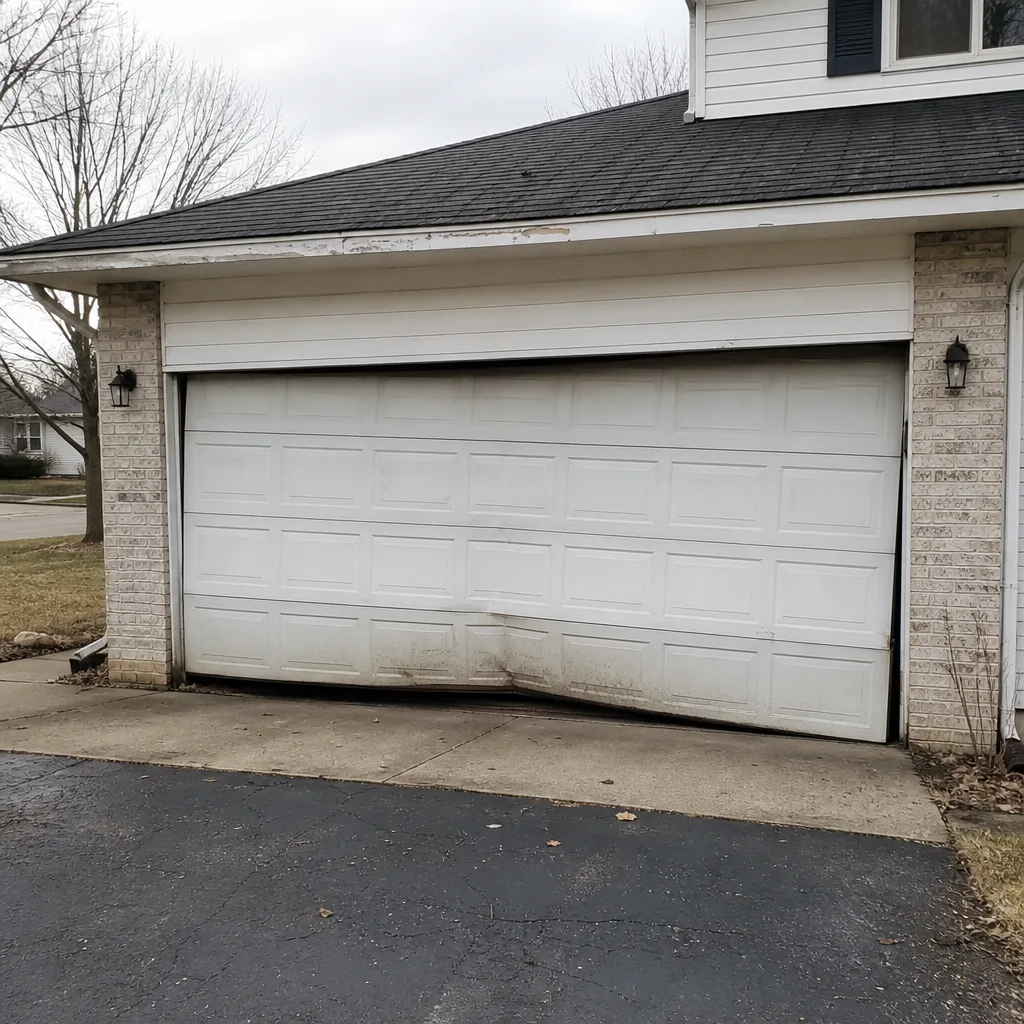
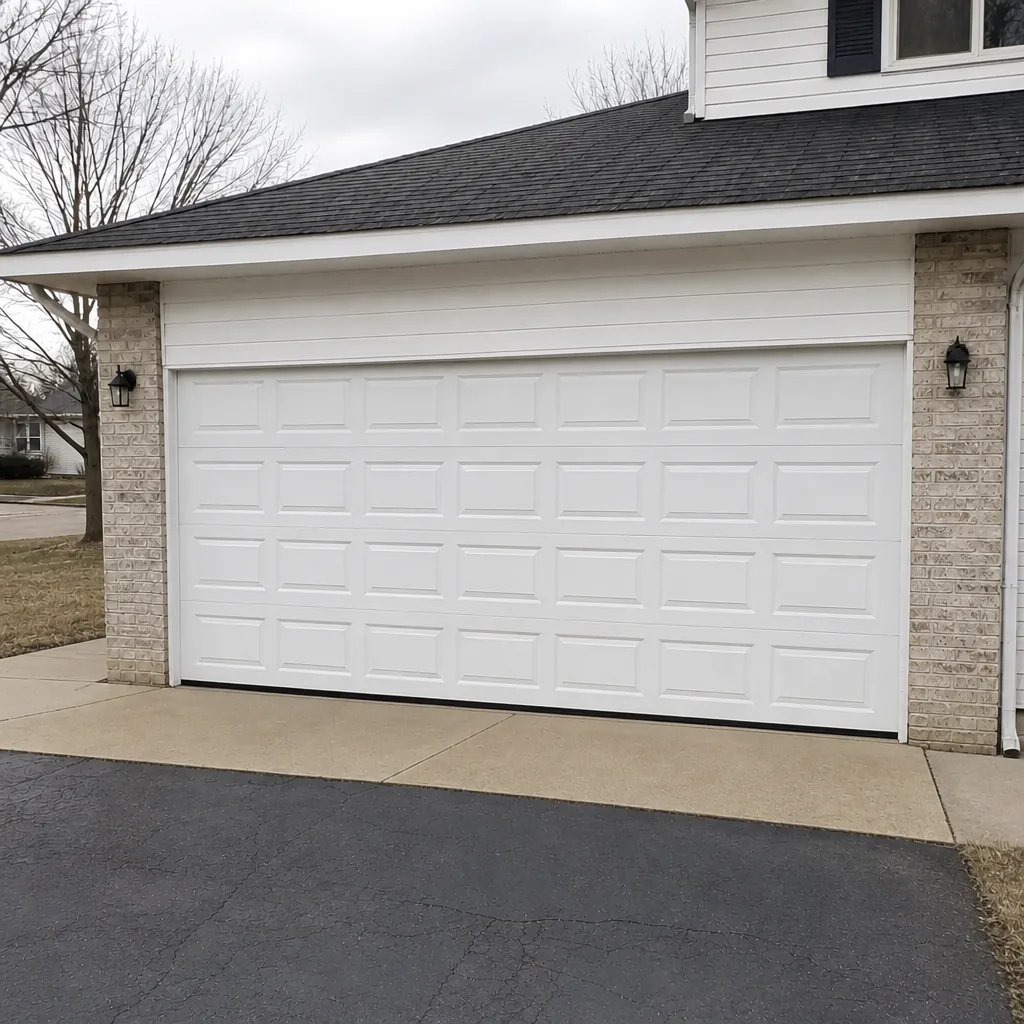
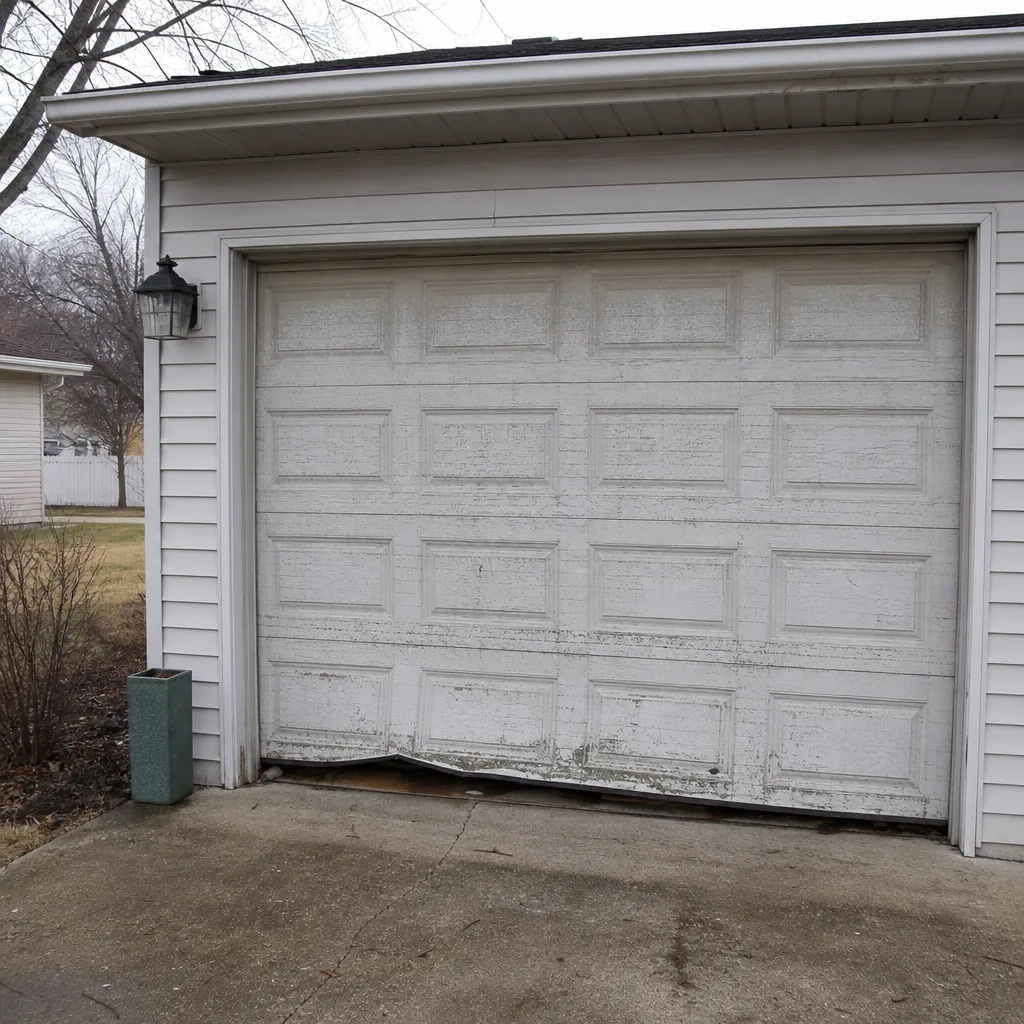
See the difference
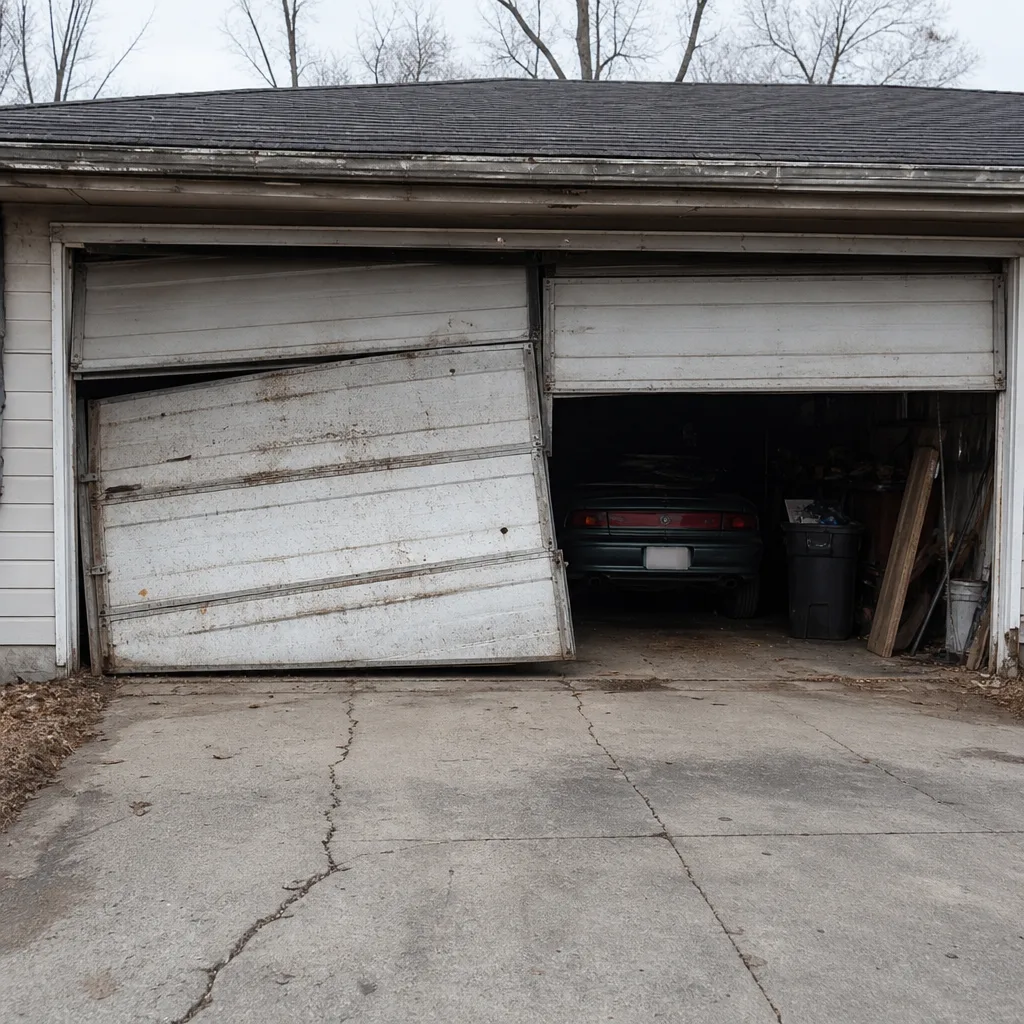 Before
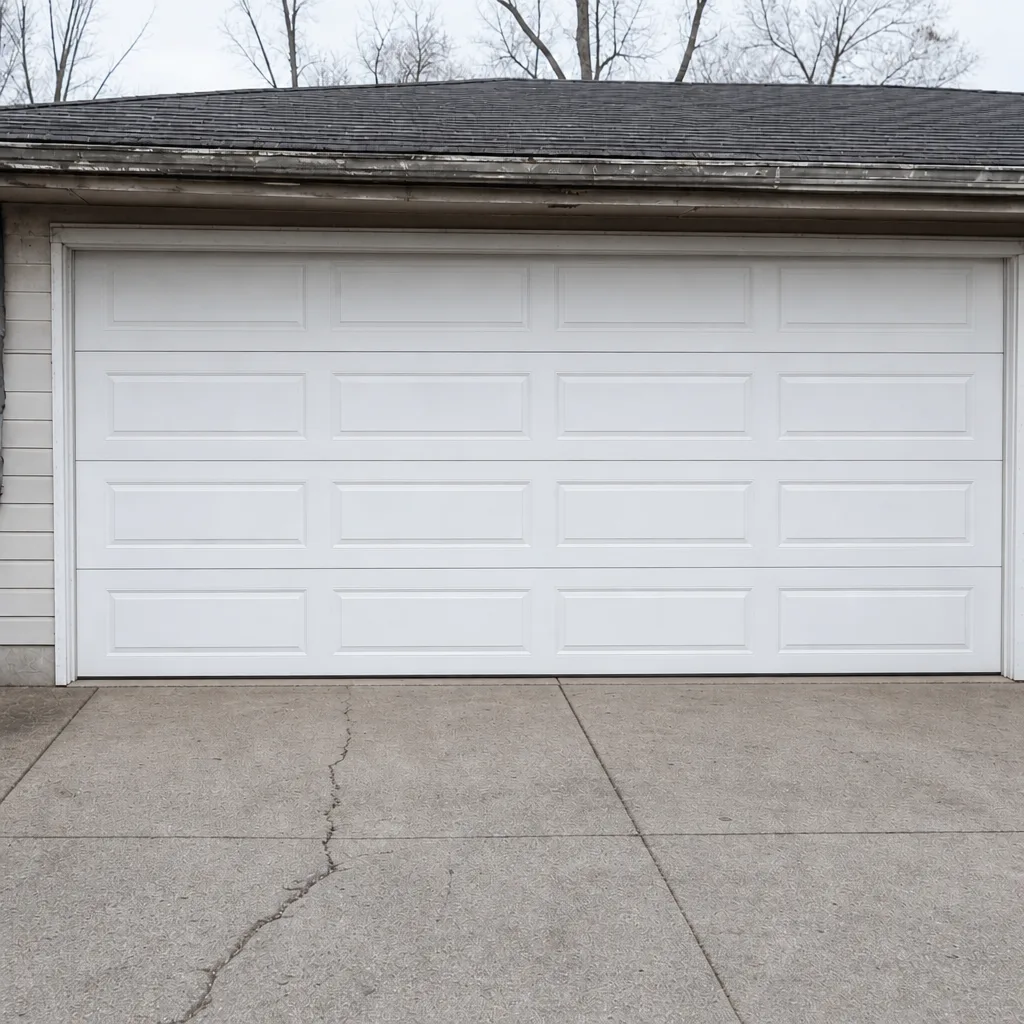 After
 Before
 After
 Before
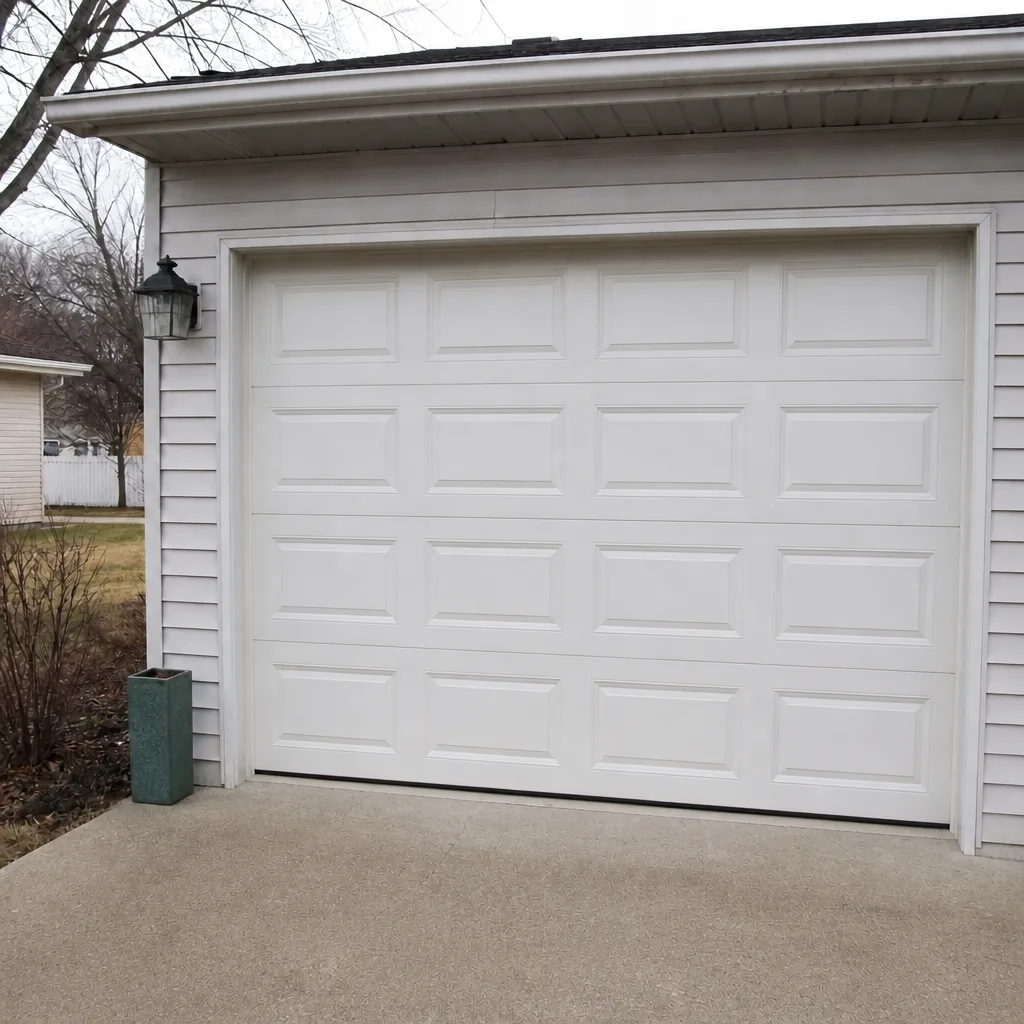 After
Frequently Asked Questions
Once a year professionally, plus a short seasonal check at each of the four transitions: fall, winter, spring, and summer. Blaine’s climate puts more stress on a door than most of the country because it swings from sub-zero cold to hot, humid summers. A door that gets one annual tune-up and no seasonal checks is more likely to fail in January than a door that gets four quick walkthroughs and one professional visit.
Safe homeowner tasks are bottom seal inspection and replacement, lubrication of rollers and hinges, safety reverse and photo-eye testing, clearing snow and ice from the threshold, and visual inspection of tracks and panels. Leave anything involving the torsion springs, cables, and opener force adjustments to a trained technician. The springs and cables are the two most dangerous parts of the door and the ones most often associated with serious injuries when handled by untrained hands. If you’re not sure which category a task falls into, call and ask. Call (877) 302-7764 – estimates are free.
Cold temperatures thicken lubricants in the opener motor and door hardware, stiffen the metal, and make the bottom seal press harder against the threshold. The opener is doing more work with less available torque. The fix is usually lubrication and a balance check, not raising the force setting. If the door is dramatically slow or making new sounds, the opener motor may be struggling with a friction problem you can’t see, and that’s worth a professional look.
Yes, mainly in summer. Wood doors absorb humidity, which can cause the panels to swell and bind against the tracks. The fix is either refinishing (to seal out moisture) or adjusting the track position seasonally. Wood doors in Blaine also need more frequent bottom seal inspection, because the seal does most of the work protecting the bottom panel from snow and ice.
The most common preventable failure is a torsion spring failure triggered by winter cold, which typically traces back to a worn spring that wasn’t caught in fall. Other common seasonal failures are cracked bottom seals from UV and freeze-thaw, uneven door contact after frost heave, wooden track binding in summer humidity, and lifted tracks after a rough spring thaw. Most of these are inexpensive when caught early and expensive once they compound.
Yes, emergency garage door service is available for urgent failures that compromise home security or access, and same-day service is common. Call (877) 302-7764. We answer 24/7. Fast dispatch from 7am to 7pm, Sunday through Friday. A call outside dispatch hours is booked into the next opening. Springs, cables, and off-track doors are the most common emergency calls we handle, and the price is quoted and agreed before any work starts. For spring-specific emergencies, see our garage door spring repair page, and for opener faults see garage door opener repair.
The Bottom Line
Seasonal garage door care in Blaine isn’t one annual appointment. It’s four checkpoints tied to the specific conditions that stress specific parts: a fall prep before the freeze, a winter operational check, a spring post-thaw inspection, and a summer review of UV and humidity. Most of the work is quick. The professional pieces – spring and cable inspection, opener diagnostics, track and threshold diagnosis after frost heave – are what keep the quick pieces from turning into expensive ones. The February repair is preventable in October. The October checklist takes a Saturday. It’s a good trade. We work on the brand you already have, from LiftMaster and Chamberlain to Genie, Clopay, Amarr, Wayne Dalton, Craftsman, and Raynor. When the door won’t move, we move fast. Call (877) 302-7764. We answer 24/7. Fast dispatch from 7am to 7pm, Sunday through Friday.
Written by the team at Blaine Garage Door Repair Pros.