
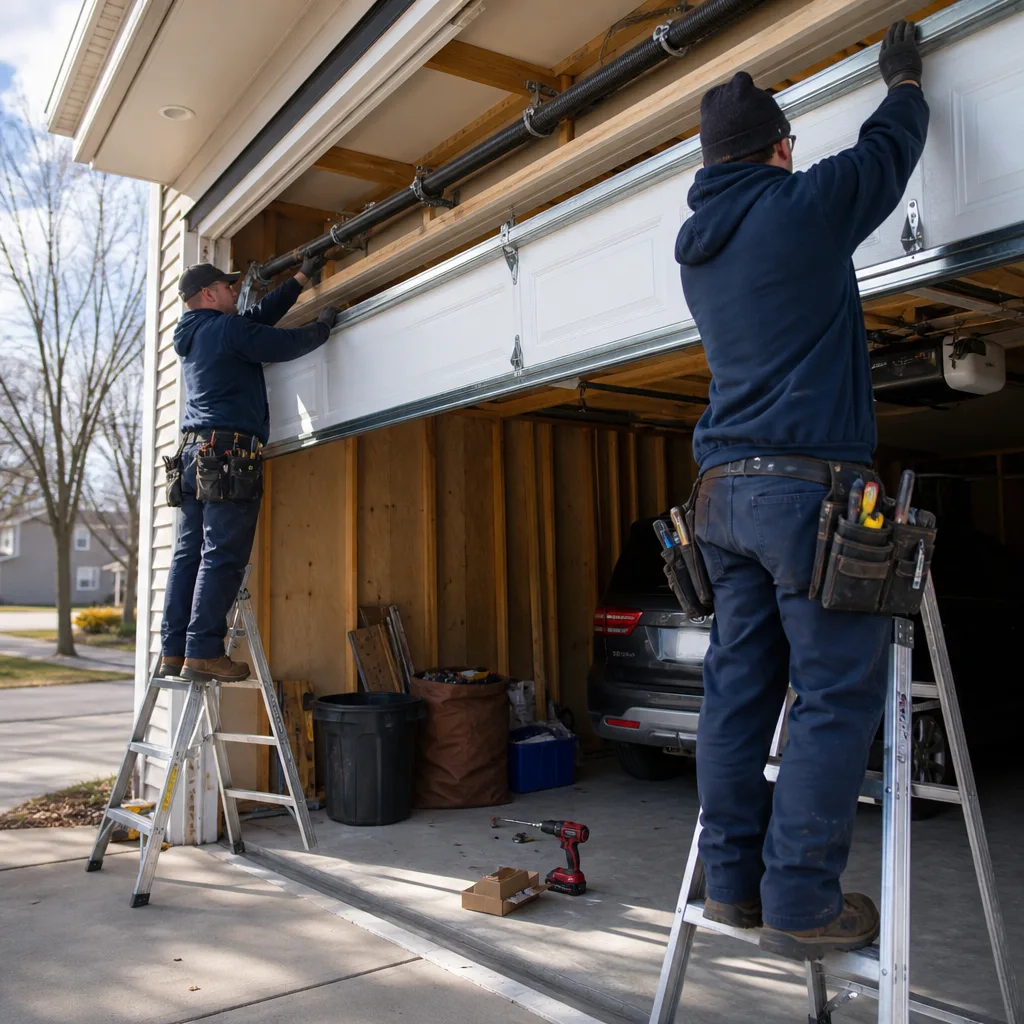
Last updated November 21, 2026
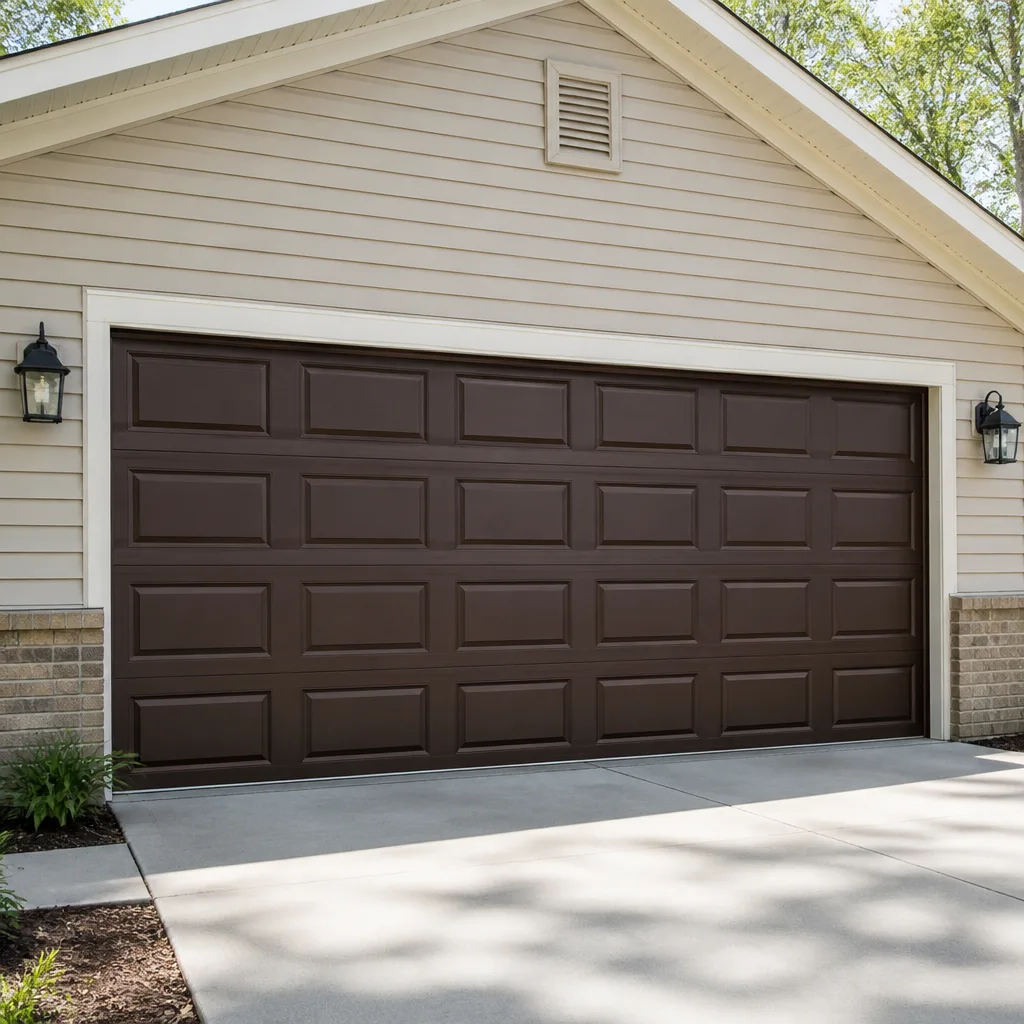 Raised-panel steel
 Carriage house
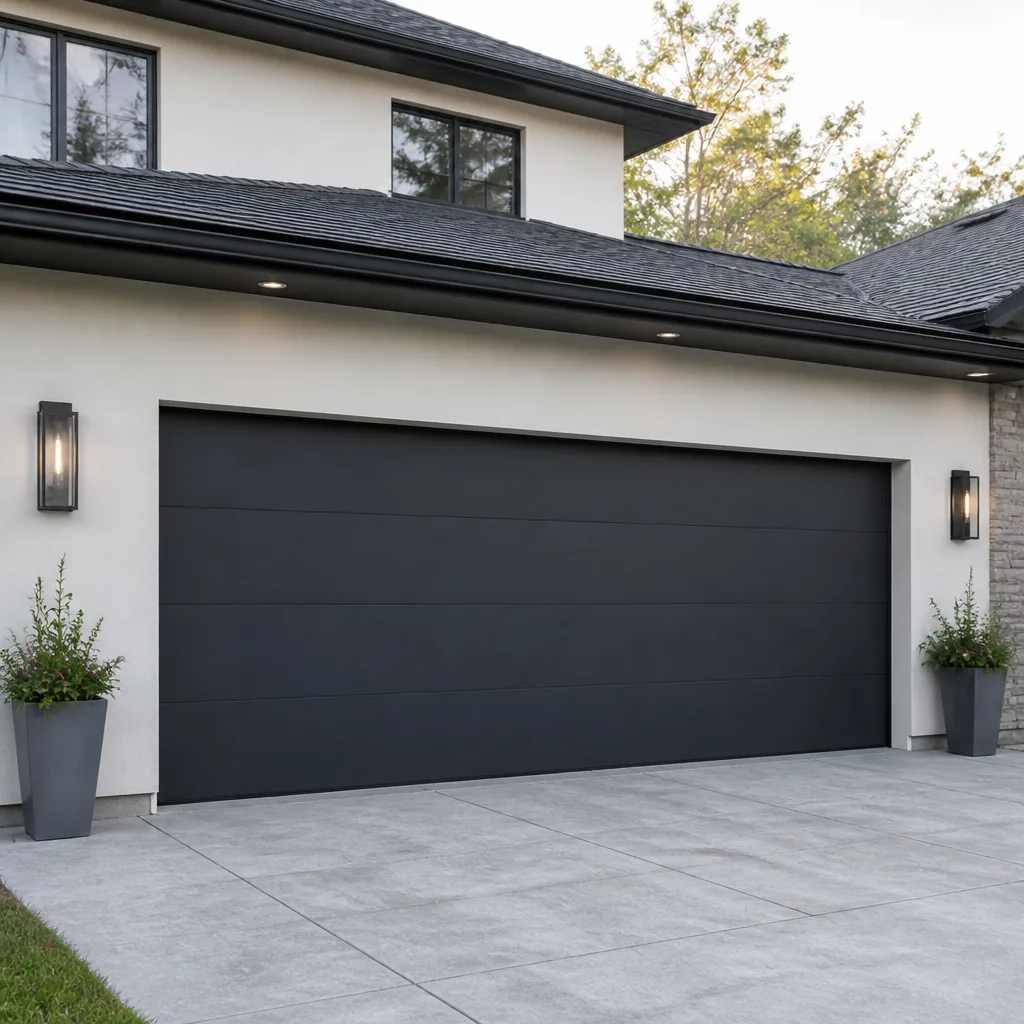 Modern flush
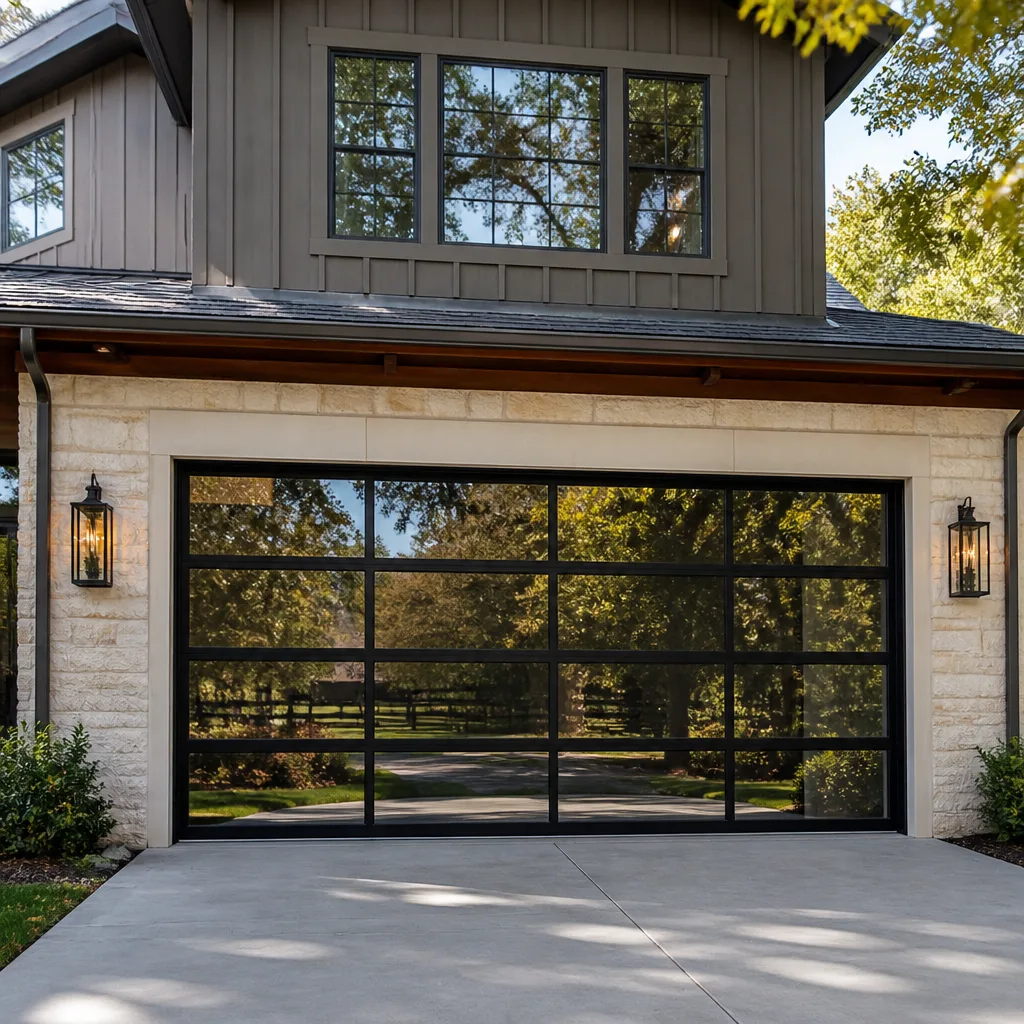 Full-view glass
 LiftMaster openers
 Chamberlain openers
Full 25-point door and opener safety check with every visit - springs, cables, rollers, tracks, and your LiftMaster or Chamberlain opener included
You get a price before we start. It does not change when the pro arrives.
Get your free estimateGarage Door Warning Signs: A Blaine Homeowner’s Reference Guide
A garage door that’s “a little slow” and a garage door that’s about to drop its cables look almost identical from the outside. That’s the part that catches people off guard. The difference usually lives in four specific things you can check in under two minutes, and most homeowners have never been told what to look for. We’re a garage door specialty company, and this is the reference we’d hand to any Blaine homeowner who wants to stop guessing. You’ll learn a three-tier triage system (monitor, schedule soon, stop using now), how to read the sounds your door makes, and which warning signs turn into emergencies only because they got ignored.
Quick Answer
The most serious garage door warning signs are a frayed or kinked cable, a door that reverses on its own, a broken spring (the door won’t lift or lifts only a few inches), and an uneven gap between the door bottom and the floor. Cosmetic dents, faded paint, and a squeaky hinge are usually low-priority. The trick is sorting them correctly, and this guide gives you a three-tier system for doing exactly that.
Styles & brands we work with
- Raised-panel steel
- Carriage house
- Modern flush
- Full-view glass
- LiftMaster openers
- Chamberlain openers
Table of Contents
- The Three-Tier Triage System: Monitor, Schedule Soon, Stop Using Now
- What Your Door’s Sounds Are Telling You
- Visual Cable Inspection: What Normal Looks Like and What Doesn’t
- Opener Behavior as a Diagnostic Tool
- The Warning Sign Homeowners Consistently Ignore
- The Twelve Most Common Warning Signs, Ranked
- Why Blaine Winters Stress Doors Differently
- Common Mistakes to Avoid
- When to Call a Professional
The Three-Tier Triage System: Monitor, Schedule Soon, Stop Using Now
Every warning sign on a garage door belongs to one of three buckets, and the bucket determines what you do next. Homeowners get into trouble when they treat all signs the same, either panicking over a cosmetic dent or dismissing a cable that’s starting to unravel. Here’s how we sort them.
Tier 1: Monitor
These are cosmetic or early-stage signs. Nothing is failing yet, but you should keep an eye on them. Typical Tier 1 items include light surface rust on hinges, a slight squeak that responds to lubrication, minor weather seal wear, and small dents that don’t affect door travel or sealing. Check them once a month. If a Tier 1 item starts to worsen, it moves up a tier.
Tier 2: Schedule Soon
Something is wearing and will fail, but it isn’t imminent. These signs warrant a call to book garage door repair within a few weeks. Tier 2 items include a door that’s noticeably louder than it used to be, a chain that’s slapping against the rail, rollers that have flat spots, a slow opener motor, and a door that reverses occasionally but not consistently.
Tier 3: Stop Using Now
These are genuine safety issues. Stop operating the door and get a trained technician out. Tier 3 includes a snapped torsion spring, a cable that’s frayed, kinked, or off the drum, a door that’s come off one track, a door that free-falls when you pull the release, and any door that reverses automatically without an obstruction in the path.
The value of this system is that it gives you a decision instead of a worry. If your sign is Tier 1, you’re fine to keep using the door and check back. If it’s Tier 3, using the door is the risk. If it’s Tier 2, you’re booking service, not panicking. Applying it consistently is how you catch the failures before they catch you.
What Your Door’s Sounds Are Telling You
Garage doors are mechanical and they talk. A sound that’s new means a component has changed, and different components fail with different acoustic signatures. Learning to tell them apart is one of the fastest ways to triage what needs attention in Blaine, especially in winter when cold-weather contraction changes how everything moves.
Grinding
Grinding usually points to rollers. When a steel roller loses its bearing or a nylon roller develops a flat spot, it drags against the track instead of rolling through it. The sound is a low, constant grind that gets louder as the door moves. Grinding can also come from a track that’s been pushed slightly out of alignment. Left alone, grinding accelerates wear on the track itself.
Loose Chain Slap
A chain-driven opener with a chain that’s stretched or under-lubricated slaps against the rail. You’ll hear it as a fast rhythmic tap on every cycle, and it gets worse as the chain loosens. This is usually Tier 2. It doesn’t fail suddenly, but a slack chain can jump the sprocket, which takes the door out of service.
Worn Gear Whine
Openers built around a plastic drive gear (common on older Genie and Chamberlain units) develop a distinctive whine when the gear teeth wear. It sounds like the motor is straining, and the whine usually comes before the door stops moving. Once the gear strips, the opener will hum but the door won’t travel. That’s a same-day call for garage door opener repair.
Spring Twang or Sharp Pop
A torsion spring under proper tension is silent. A spring that twangs, pops, or clicks when the door moves is either loose on the shaft or has started to fatigue. This is not a sound to investigate yourself. Springs carry extreme tension, and they are the single most dangerous component in the system. If you hear anything unusual coming from the spring bar above the door, book garage door spring repair and stop using the door in the meantime.
If you can’t decide what a sound is, the safest next step is a professional listen. Call (877) 302-7764. We answer 24/7. Fast dispatch from 7am to 7pm, Sunday through Friday.
Visual Cable Inspection: What Normal Looks Like and What Doesn’t
Cables lift and secure the door, and they’re frequently overlooked because they’re harder to see than springs. A quick visual check is worth doing once a month. Here’s what to look for.
A Healthy Cable
A properly tensioned cable is straight along its whole run, evenly wound on the drum, and sits cleanly in its groove. The strands should be tight with no visible fraying, and the end loop at the bottom bracket should be snug against the bracket. There should be no slack anywhere along the run.
A Cable That Needs Attention
- Kinks: A cable that’s developed a bend or kink has been over-stressed and will fail at the kink point.
- Lost wraps on the drum: The cable should be evenly wound. If it’s starting to bunch, cross over itself, or leave the drum’s edge, the drum is misaligned or the cable is stretching.
- Jumped the groove: If the cable has left its groove and is riding on top of another wrap, that’s a Tier 3 sign. Stop using the door.
- Frayed strands: Any visible individual wires standing out from the cable is a failure in progress. Frayed cables can whip free when they snap.
- Rust-colored staining near the drum: Rust bleed under the drum can indicate moisture or a cable that’s beginning to corrode internally.
Cables and springs share the same load, and a failed cable can allow the door to drop or twist on the tracks. Never attempt to inspect the cable drum closely with the door up and the cable under load. Look from arm’s length with the door closed, and if anything looks off, call us.
Opener Behavior as a Diagnostic Tool
How your opener behaves tells you a lot about what’s happening with the door itself. A door that reverses unexpectedly is the classic example of a sign that can mean two entirely different things: sensor trouble, or a balance problem.
Sensor Issues
Every modern opener uses a pair of safety sensors near the door bottom that beam an infrared signal across the opening. If the beam is interrupted or the sensors are misaligned, the opener reverses because it thinks there’s an obstruction. Signs that point to sensors: the opener reverses immediately after starting to close, the sensor indicator light is off or blinking, sun glare is hitting one sensor directly, or you can see debris, spider webs, or a drooping wire in front of either sensor lens.
Balance Problems
A door that isn’t balanced will reverse because the opener’s force sensor is detecting resistance. Signs that point to balance: the door reverses partway through closing but not immediately, the door drifts back down after you raise it, the opener strains and the door moves unevenly, or the door lifts slowly on one side. Balance problems point straight back to springs, cables, or a misaligned track.
How to Tell Them Apart
- Disconnect the opener (pull the manual release) so the door is in manual mode.
- Lift the door halfway by hand. A properly balanced door should hold its position with minimal effort.
- If the door drifts back down, drops quickly, or feels heavy, that’s a balance problem. Call a technician.
- If the door holds its position and moves easily, but the opener still reverses, that points to sensors or the opener’s force settings.
Force settings and sensor alignment are worth checking, but they shouldn’t be trusted as a fix if the door itself feels off. We service openers from LiftMaster, Chamberlain, Genie, and Craftsman, so whatever unit is on your ceiling, we can diagnose it. Call (877) 302-7764 for a free estimate.
The Warning Sign Homeowners Consistently Ignore
The one warning sign we see homeowners skip again and again is the gap between the bottom of the door and the floor. A door that seals correctly touches the floor (or the threshold seal) evenly along its whole width. A door with uneven gaps at the bottom isn’t just letting in cold air. It’s telling you the door has gone out of alignment.
What Uneven Gaps Actually Mean
- A twisted door panel: The door’s frame or panel has warped, usually from a cable or spring loading unevenly.
- A bent or misaligned track: One side of the door is riding in a track that’s been pushed out of plumb.
- Broken or sagging hardware: Hinges, rollers, or the bottom bracket on one side have degraded.
- Foundation settling: Blaine’s clay-heavy soil shifts with freeze and thaw cycles, and a floor that’s slightly out of level will leave a gap on one side even when the door itself is square.
In Blaine, an uneven bottom gap is more than a comfort issue. It’s the seal that keeps snow, meltwater, and small animals out of the garage. A gap that’s widening on one side usually means load is transferring unevenly through the door, and doors that run out of alignment wear out their cables and rollers faster. The moment you notice a gap that’s changed shape or gotten bigger, that’s a Tier 2 sign. Get it inspected before it works its way up to Tier 3.
The Twelve Most Common Warning Signs, Ranked
Here’s the full triage list, applied to the twelve signs we see most in Blaine. Save or print this section. It’s the shortest version of the whole guide.
- Door reverses unexpectedly – Tier 3. Sensors or balance; stop and diagnose before operating again.
- Frayed or kinked cable – Tier 3. Stop using the door and call for repair.
- Door won’t lift, or lifts only a few inches and stops – Tier 3. Usually a broken torsion spring.
- Door has come off one track – Tier 3. Do not force it back on.
- Loud pop from above the door followed by the door feeling very heavy – Tier 3. That’s a spring failure.
- Uneven gap at the door bottom – Tier 2, escalating. Alignment or seal issue.
- Consistent grinding or scraping – Tier 2. Rollers or track.
- Chain slapping the rail – Tier 2. A stretched chain on a chain-drive opener.
- Opener whines or strains before moving – Tier 2. Worn gear, usually.
- Door runs unevenly or shudders – Tier 2. Track or balance issue.
- Squeak that responds to lubrication – Tier 1. Monitor.
- Cosmetic dents or surface rust – Tier 1. Monitor.
Notice how many signs live in Tier 3. Springs and cables fail without giving you much warning, so anything that points to them deserves respect. On a door from Clopay, Amarr, Wayne Dalton, or any other major brand, the same rules apply. We know the hardware; you know the symptoms.
Why Blaine Winters Stress Doors Differently
Garage doors in Blaine live through worse temperature swings than doors in most of the country, and that has real consequences for what fails and when. Understanding the local pattern helps you interpret warning signs that would be quieter elsewhere.
Freeze-Thaw Cycles and Metal Contraction
Northern Anoka County sees repeated freeze-thaw cycles through late fall and early spring. Metal contracts in the cold and expands in the warmth, so springs, cables, and hinges are working through a wider range of loads across the year than they would in a temperate climate. That’s one reason spring failures often happen at the first cold snap or the first warm weekend after a hard freeze. If your door lived through summer without trouble and suddenly won’t open on a cold morning, that swing is the likely cause.
Snow Load and Seal Wear
Doors that face a driveway with significant snow buildup get more stress on the bottom seal and the threshold. Snow and ice can pack against the seal and pull on the cable when the door lifts, and repeated exposure wears the bottom rubber faster here than in warmer climates. A bottom seal that’s starting to tear is Tier 1, but check it every season because it protects the whole lower structure.
Salt, Sand, and De-Icer Tracking
Road de-icer and sand track into the garage on tires and boots. Both are abrasive to hinges and rollers over time. A quick sweep and a light lubrication of hinges and rollers every season does real work here, and it’s one of the cheapest habits a Blaine homeowner can build into their maintenance rhythm.
Cold-Season Track and Bracket Shifts
Ground movement and freeze-thaw can push a track slightly out of alignment. If your door started scraping the track after a cold stretch, that’s a common sign of the bracket or track shifting. This is a Tier 2 issue and worth a prompt inspection before the wear compounds.
Common Mistakes to Avoid
- Treating every symptom as equally serious. A cosmetic dent and a frayed cable don’t deserve the same response panic. Use the three-tier system so you act on the right signs and leave the cosmetic ones alone.
- Trying to adjust or replace a torsion spring yourself. Springs carry enough stored energy to cause serious injury when they let go. This is the single most dangerous component in the system, and we mean that literally; leave spring work to a trained technician.
- Forcing a misaligned door back onto its track. A door that’s come off a track has usually done so because something else (cable, bracket, or spring) has already failed. Forcing it back can drop the door or cause the cable to swing free.
- WD-40 on the springs and cable. It’s a solvent, not a lubricant, and it attracts grit. Hinges and rollers benefit from proper garage door lubricant; springs and cables should be inspected by a technician rather than oiled by a homeowner.
- Replacing the opener when the door itself is the problem. We see this all the time. A door that’s out of balance will burn out any opener, including a brand-new one. Diagnose the door first.
- Ignoring an uneven floor gap after winter. Blaine’s freeze-thaw cycles routinely leave doors slightly misaligned heading into spring. If the gap grew over the winter, get it looked at before it turns into a bigger alignment job.
- Waiting for the door to “fail completely” before calling. A failing spring or cable almost always gives a signal first. Catching it at the signal stage is faster, cheaper, and safer than catching it after the failure.
When to Call a Professional
Call a professional the moment you identify a Tier 3 sign: a door that reverses on its own, a snapped spring, a cable that’s frayed or off the drum, or a door that’s off its track. Also call for Tier 2 signs that have gotten worse over a few weeks, and for anything involving the springs, cables, or opener force settings that you can’t confidently diagnose. Our technicians have up to 12 years of experience with spring, cable, and opener repairs across every major brand, and we come out with the right tools for the diagnosis you can’t do safely by hand.
Blaine Garage Door Repair Pros offers free estimates in Blaine. Call (877) 302-7764. We answer 24/7 and offer same-day service with fast dispatch from 7am to 7pm, Sunday through Friday. If your door is in a Tier 3 state, don’t run it again before we’ve seen it.
Frequently Asked Questions
Uneven bottom gaps and grinding rollers are the two we hear about most, and both are Tier 2 signs. The uneven gap tends to show up after winter freeze-thaw; grinding usually points to rollers or a track that’s been pushed out of alignment. Neither is a stop-using emergency, but both get worse without attention.
The classic sign is a door that won’t lift, or lifts a few inches and stops. You may also hear a loud pop, and the door will feel extremely heavy when you try to lift it by hand. Never try to operate a door with a broken spring; call for garage door spring repair instead.
Yes, with the door fully closed and from arm’s length. Look for kinks, fraying, uneven wraps on the drum, and cables that have jumped their groove. Don’t reach in near the drum while the door is up or under load. Any visible fraying or groove-jumping is a stop-using sign, so call us instead.
Either the safety sensors are interrupted, or the door is out of balance and the opener is sensing resistance. Disconnect the opener and try lifting the door by hand: if it feels heavy or drifts back down, that’s a balance problem. If it lifts easily, that points to the sensors.
Almost never. A squeak that responds to proper garage door lubricant is a monitor-level sign, not a problem. If the squeak is joined by grinding, uneven travel, or unusual sounds from above the door, that’s when it moves up to Tier 2 or 3.
Not necessarily, but it deserves a same-week inspection. A door that’s out of alignment will wear through cables, rollers, and even its opener over time. If the “off” feeling is accompanied by an uneven bottom gap or any of the Tier 3 signs in this guide, treat it as one. Call (877) 302-7764 for a free estimate.
The Bottom Line
Garage doors rarely fail without warning; the warning is just usually quieter than the failure. That’s why a three-tier triage system matters more than a checklist of symptoms. Tier 1 signs are things you monitor. Tier 2 signs are things you schedule. Tier 3 signs mean you stop using the door and call us. The four things to check in under two minutes are the spring bar (any new sound is a stop-using sign), the cables (any fray or groove-jump is a stop-using sign), the bottom gap (uneven means inspect), and how the door behaves when the opener reverses (sensor, or balance). Get those four right and you’ll catch most failures before they catch you.
We’re a garage door specialty company based out of Blaine, and the brands you already own are the ones we know: LiftMaster, Chamberlain, Genie, Clopay, Amarr, Wayne Dalton, Craftsman, and Raynor. Name your brand. We know it. Whatever tier your door is in, one call covers the diagnosis.
For a free estimate on any of the signs in this guide, call (877) 302-7764. We answer 24/7. Fast dispatch from 7am to 7pm, Sunday through Friday. If your door is in a stop-using state, don’t run it again before we’ve seen it.
Written by the team at Blaine Garage Door Repair Pros.
See the difference
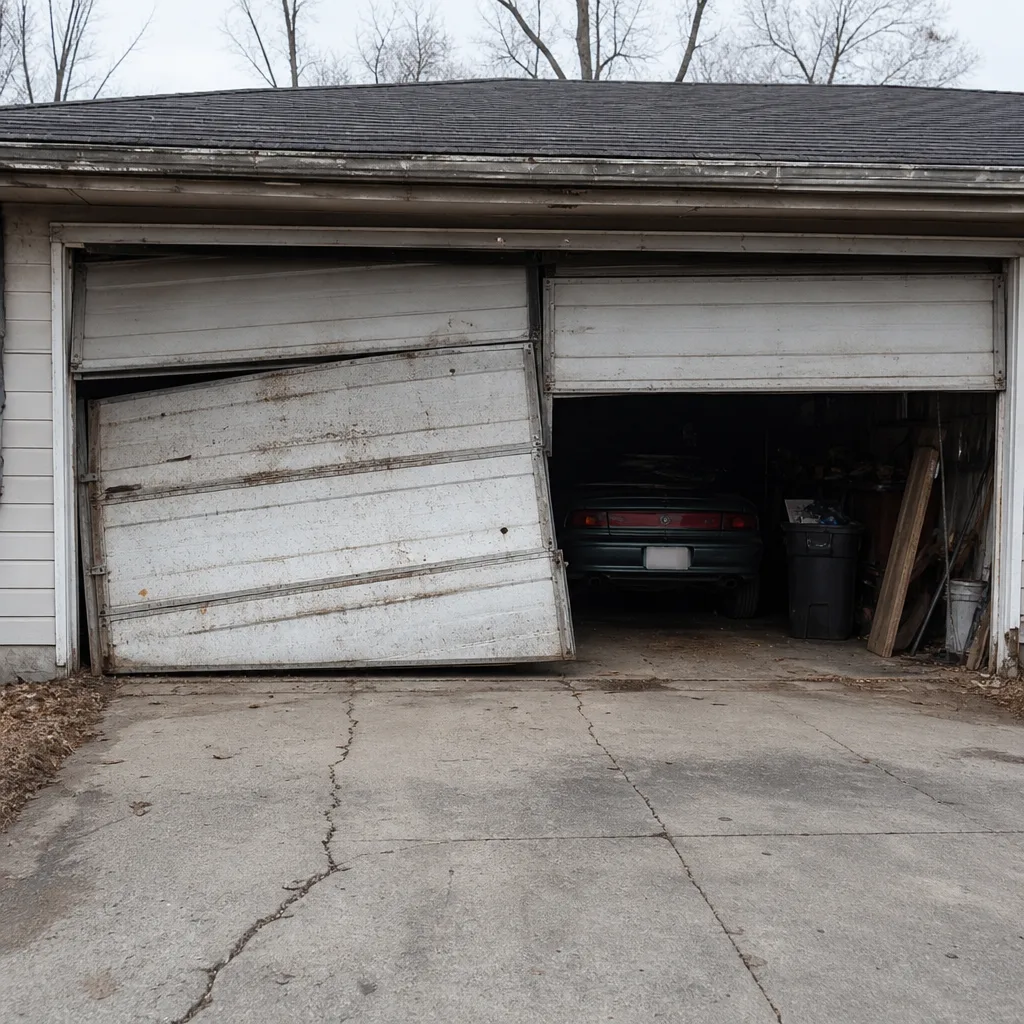 Before
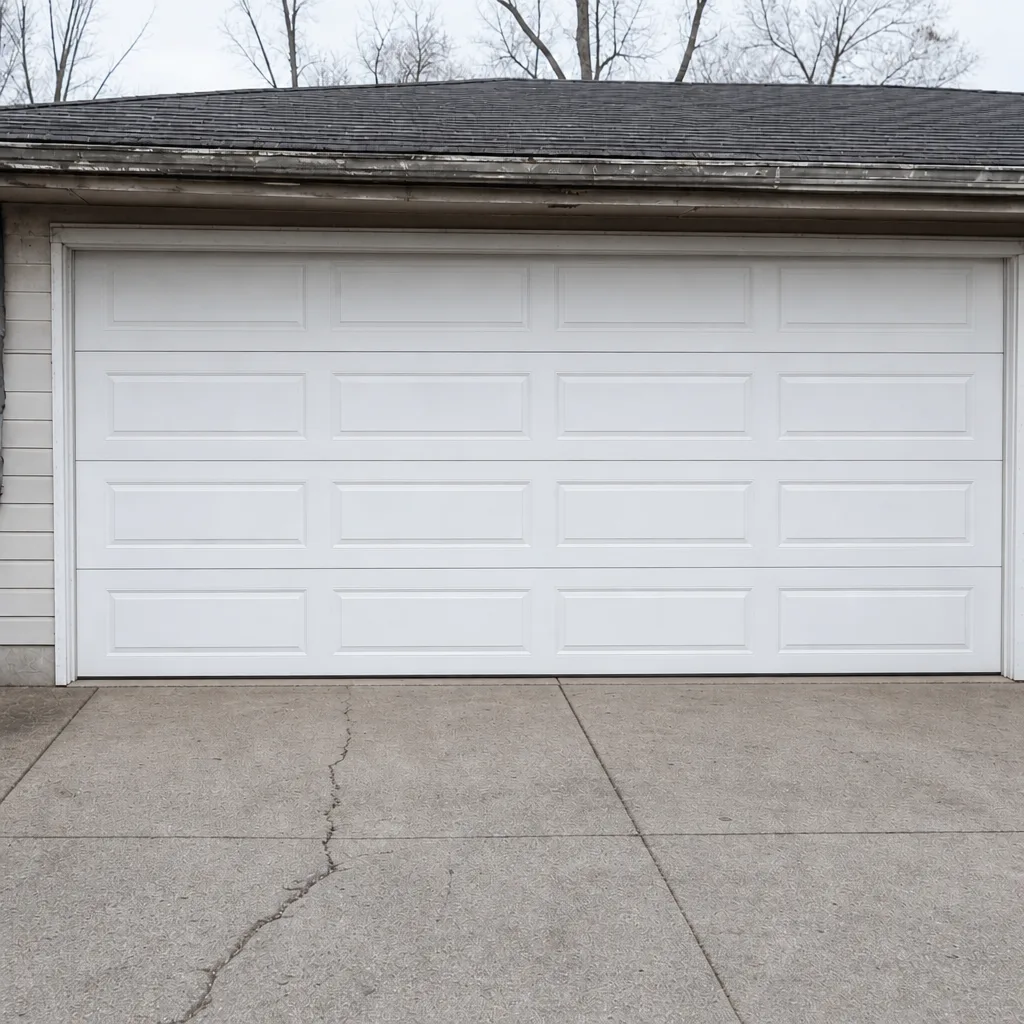 After
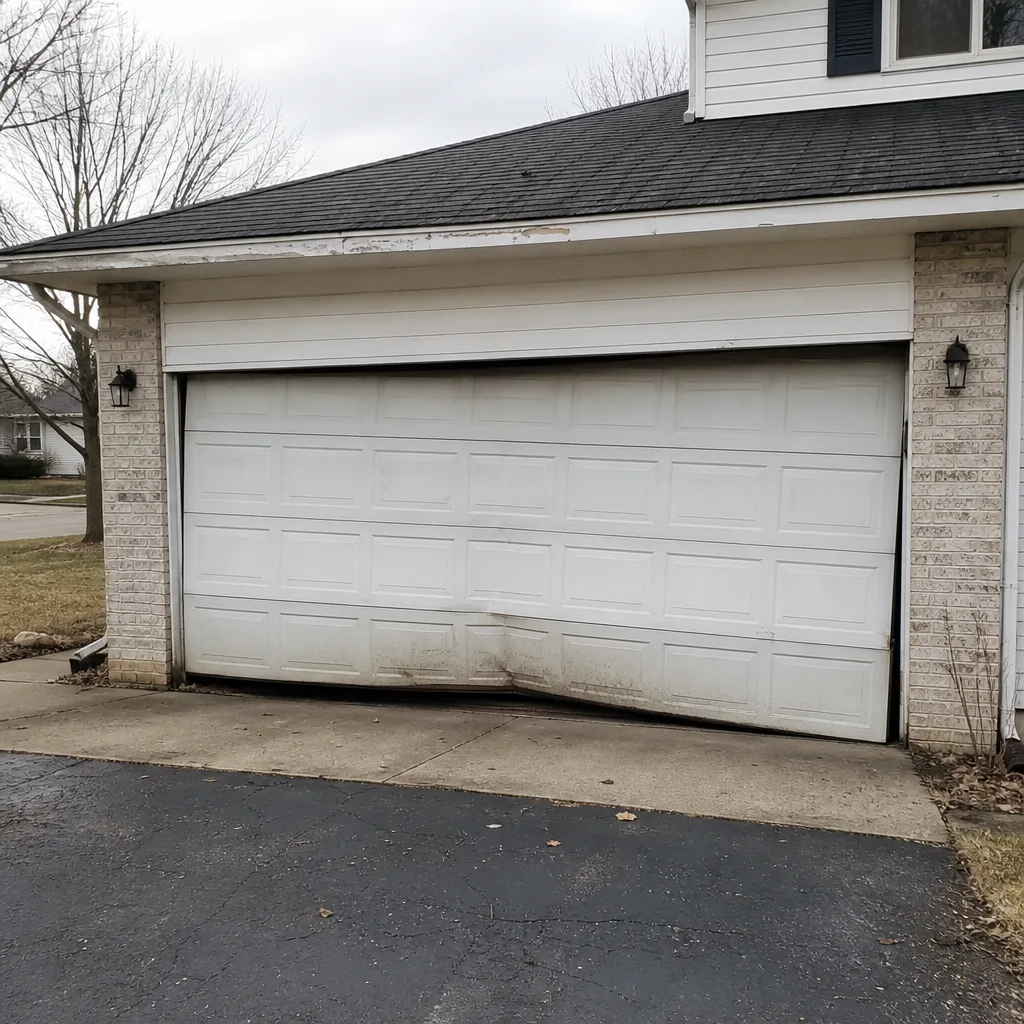 Before
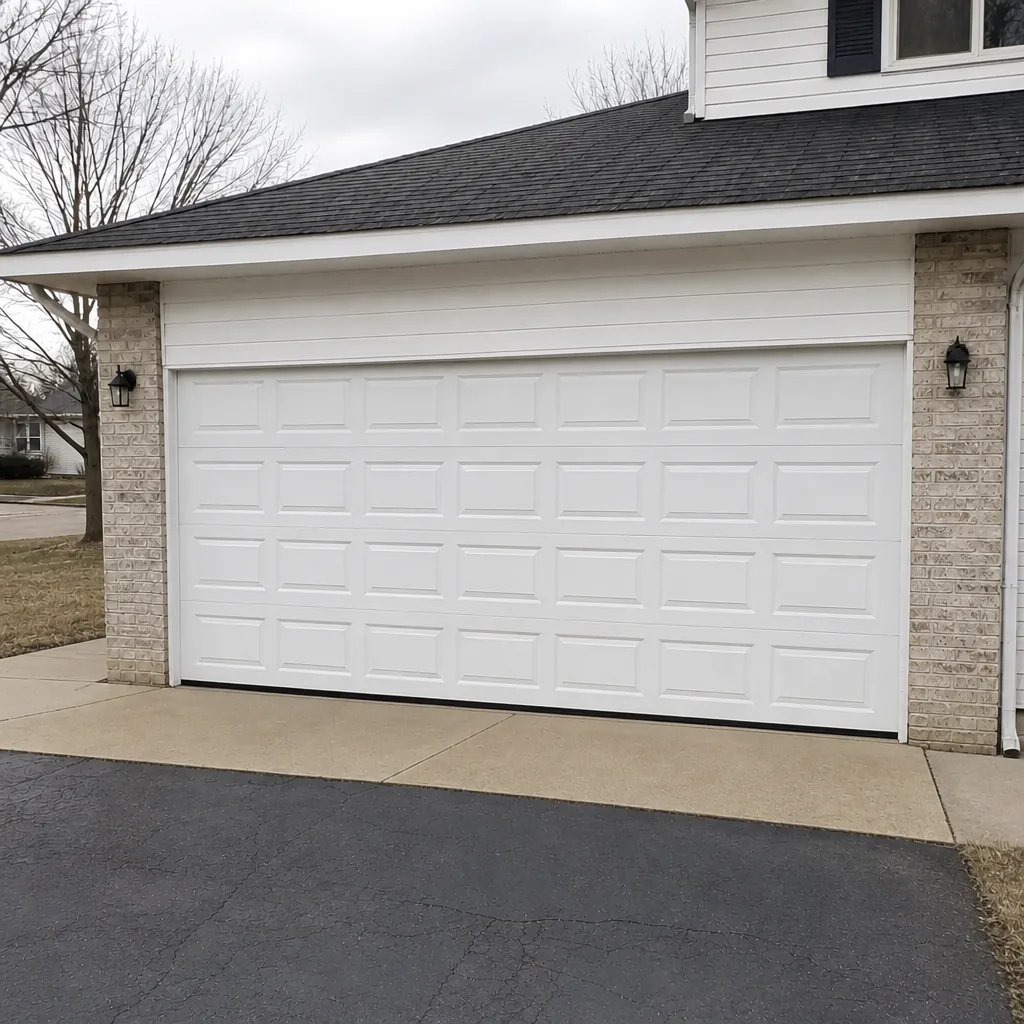 After
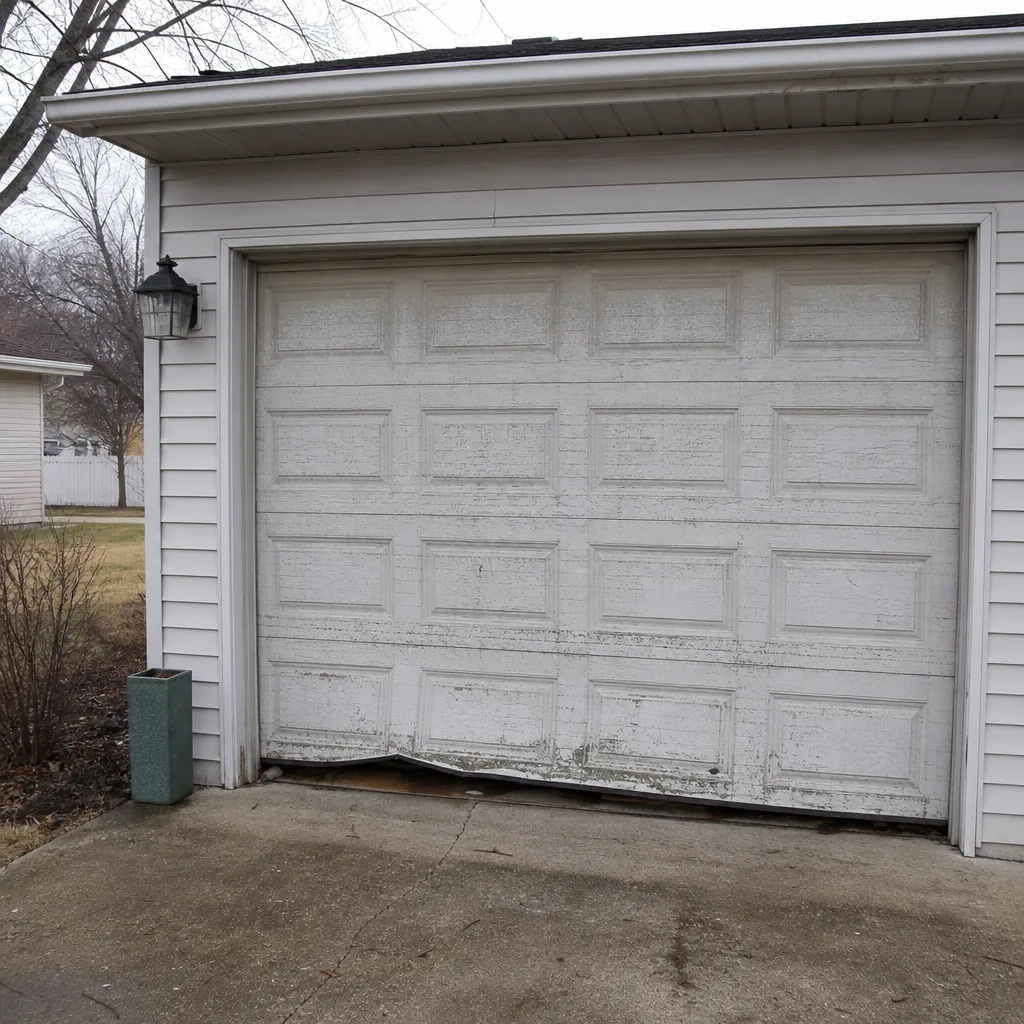 Before
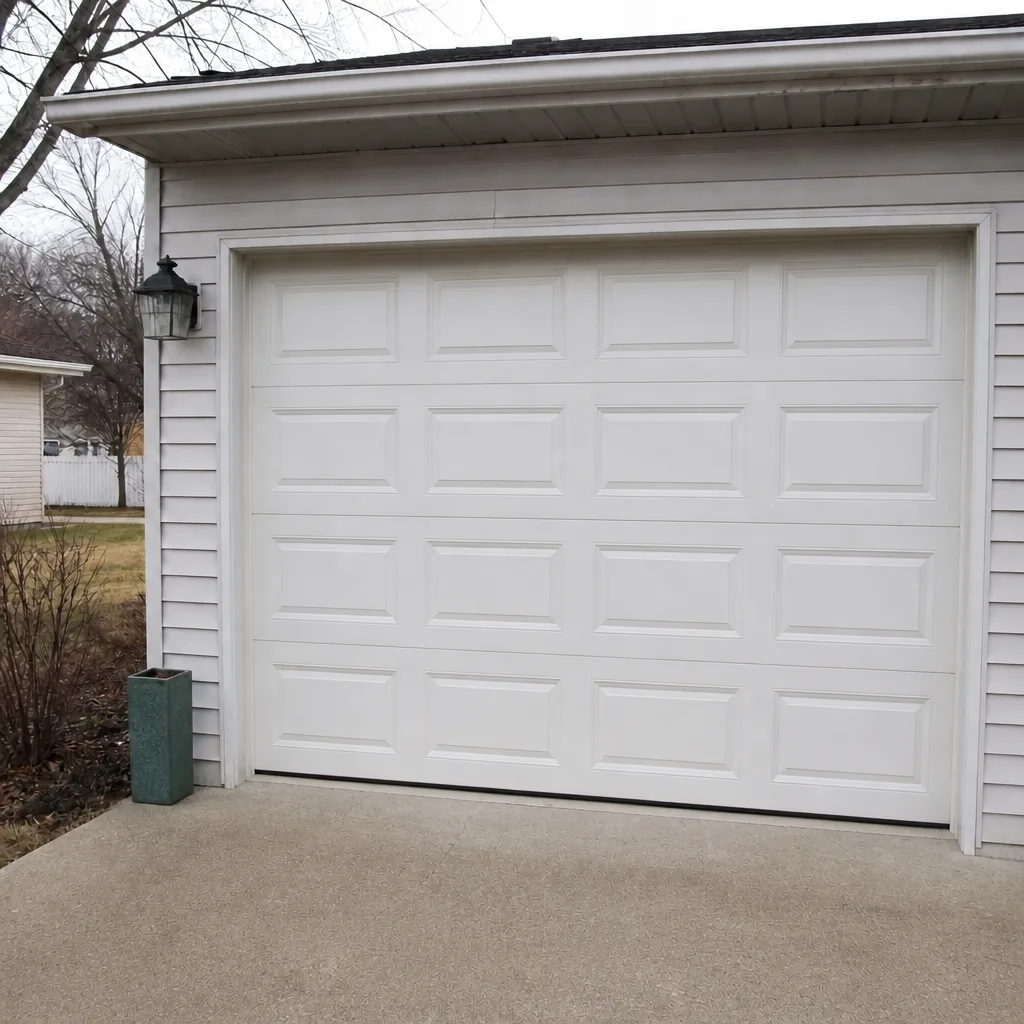 After