
Last updated November 21, 2026
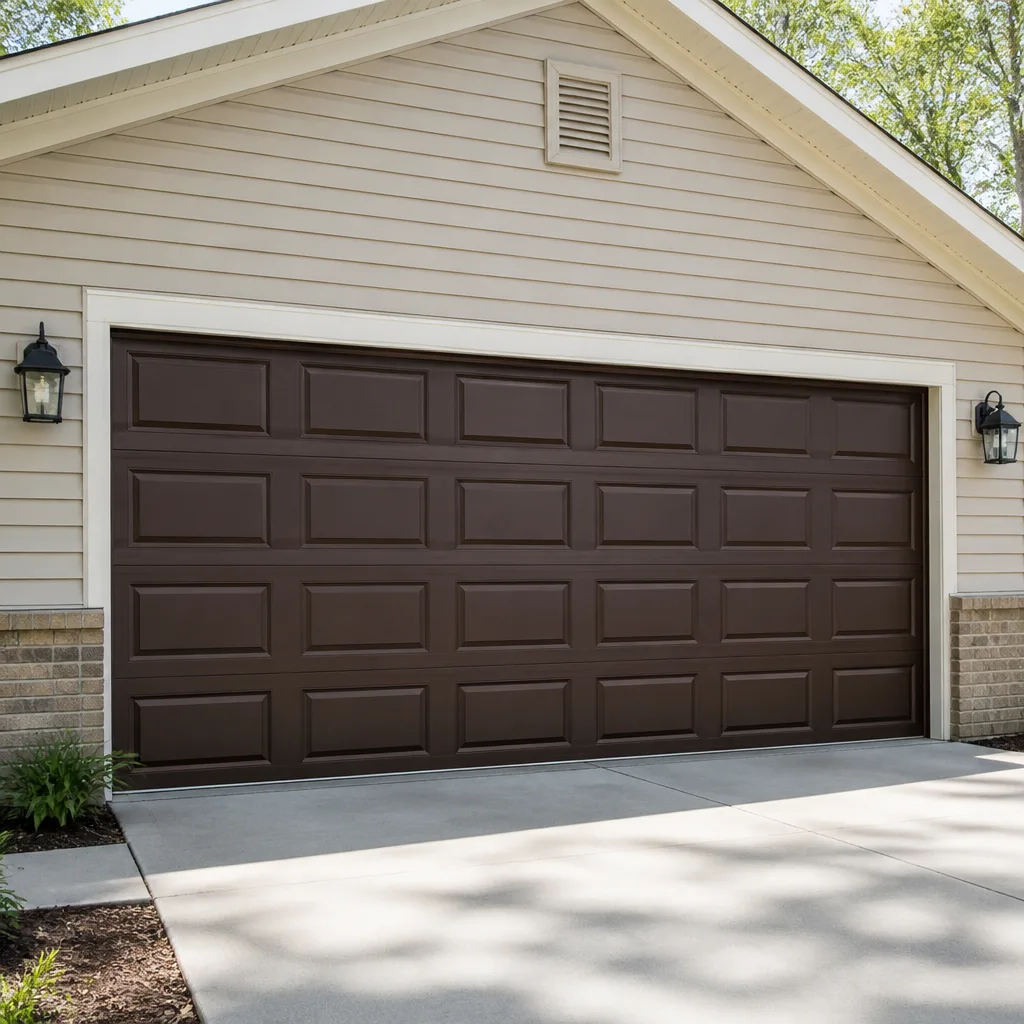 Raised-panel steel
 Carriage house
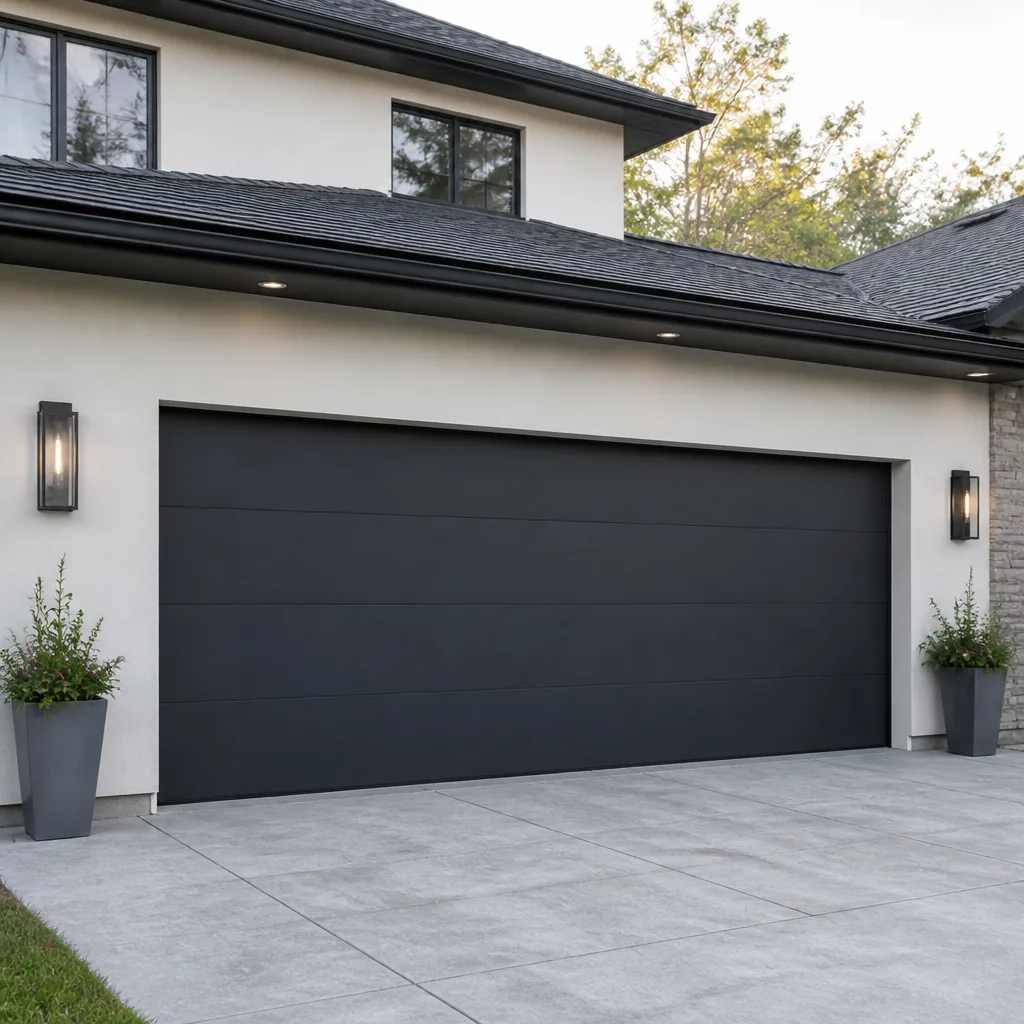 Modern flush
 Full-view glass
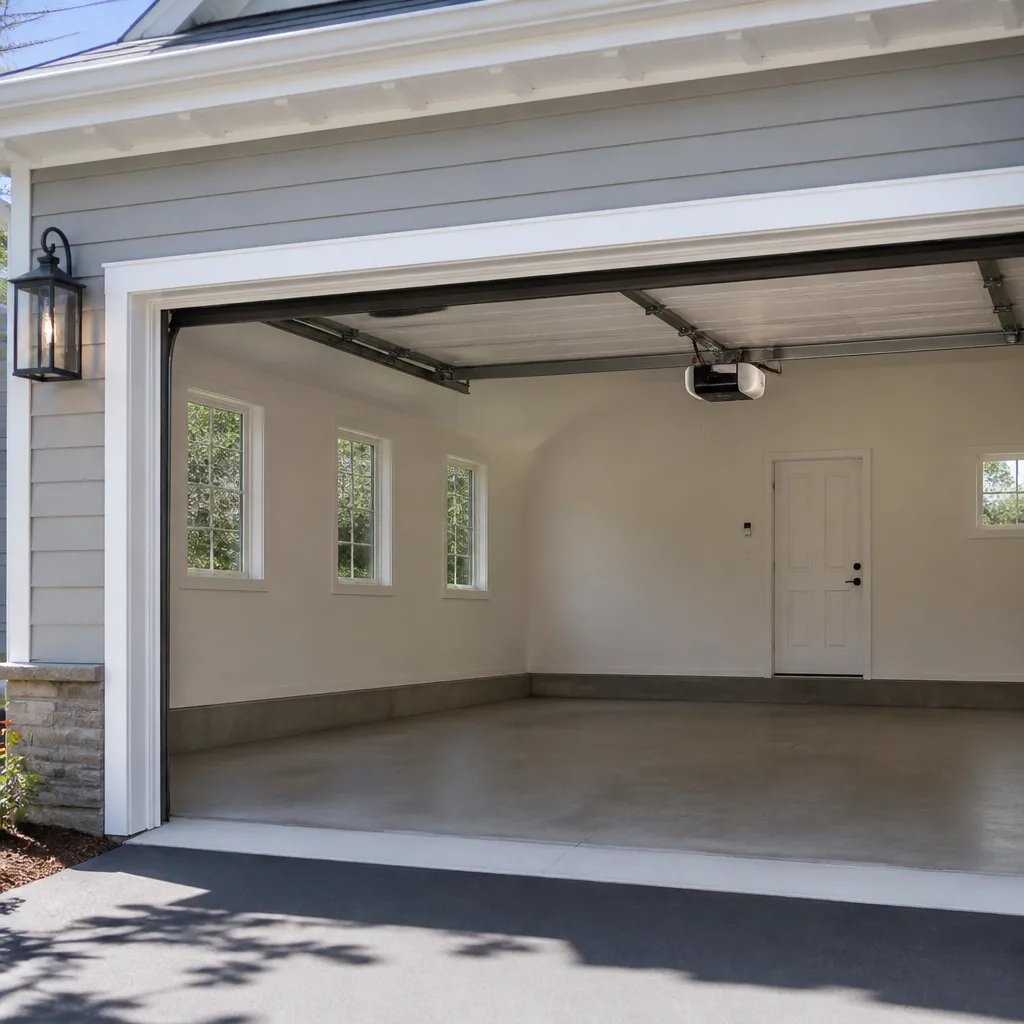 LiftMaster openers
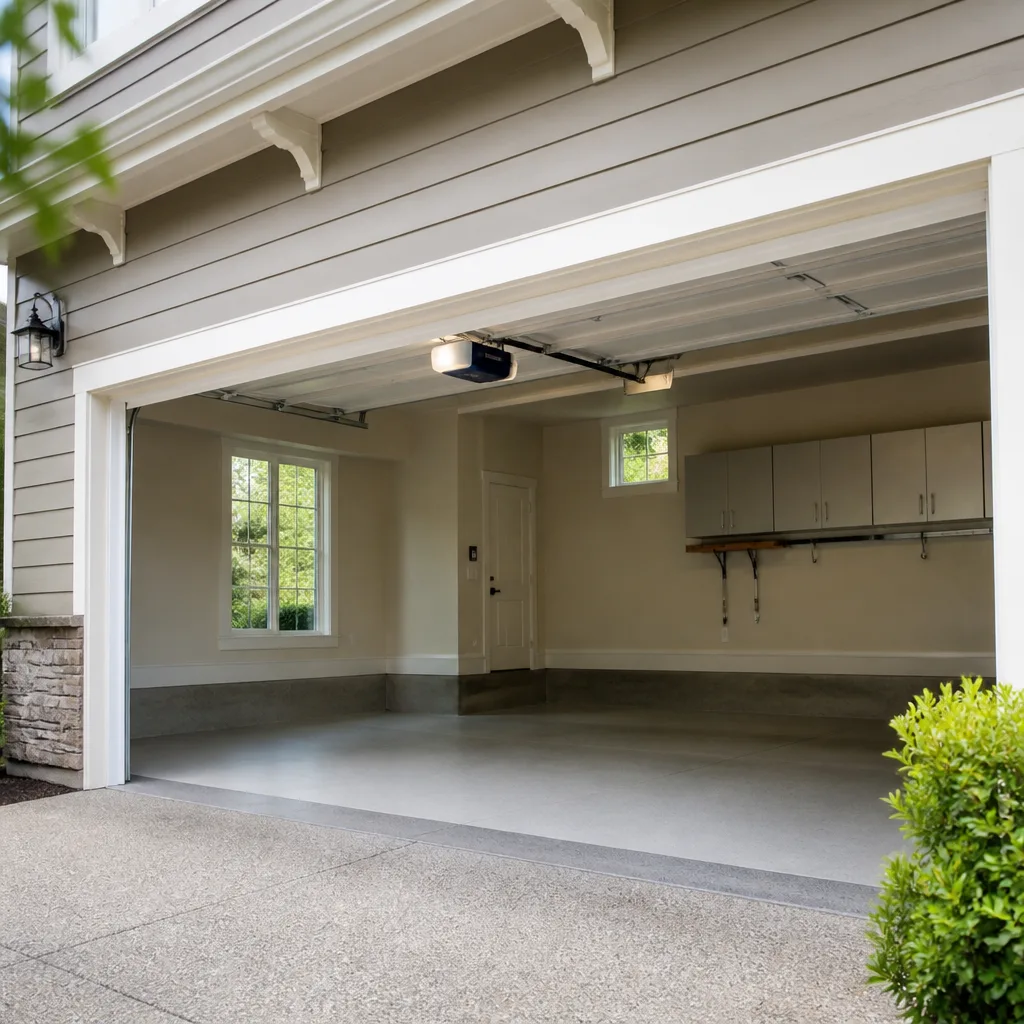 Chamberlain openers
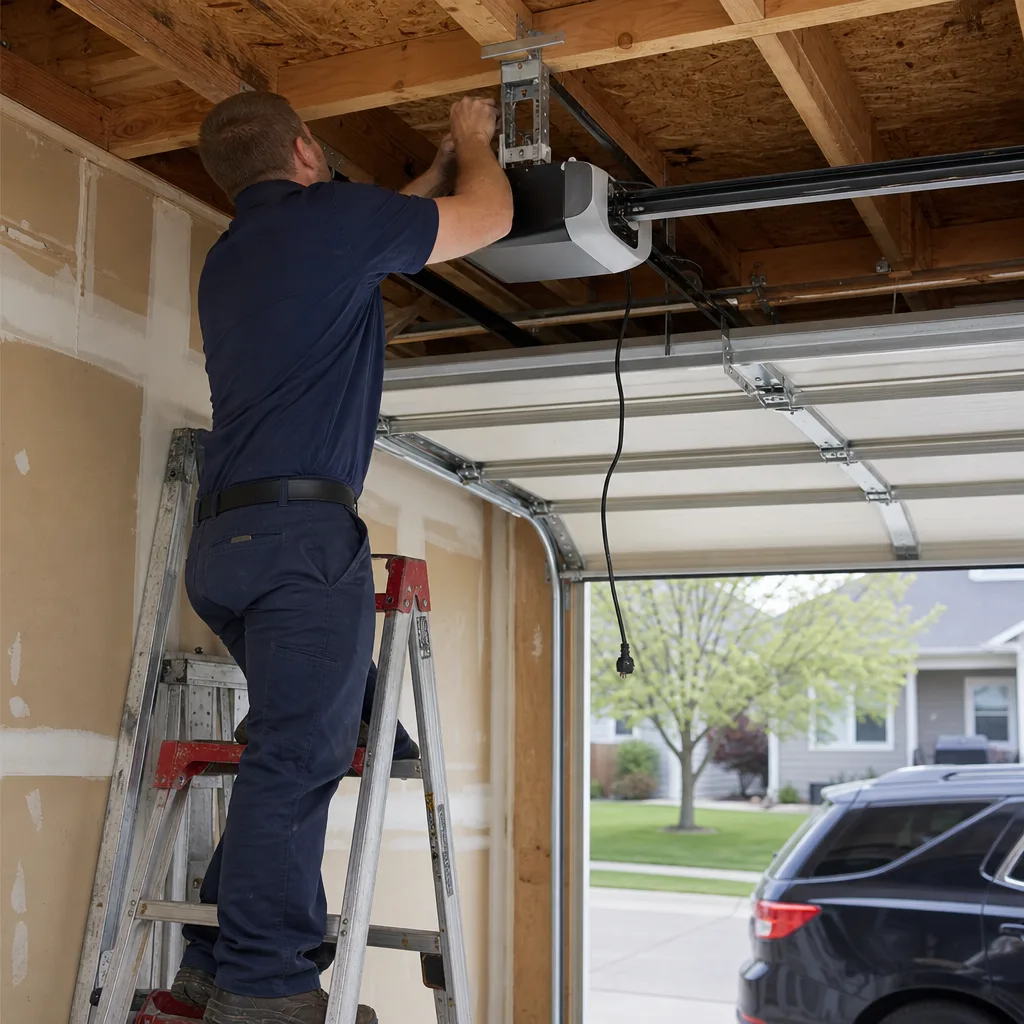
Full 25-point door and opener safety check with every visit - springs, cables, rollers, tracks, and your LiftMaster or Chamberlain opener included
You get a price before we start. It does not change when the pro arrives.
Get your free estimateGarage Door Repair Maintenance Checklist for Blaine Homeowners
The first cold snap exposes what a summer of neglect hid. Blaine garage doors don’t usually fail out of nowhere – they fail after months of small warnings nobody checked: a roller that started grinding in July, a seal that quit sealing in August, a spring that stretched a little further than it should have by October. By the time November arrives, the cold has finished the job. A maintenance checklist only helps if it’s tied to the parts that actually fail and the order they fail in. This guide walks the door system part by part, tells you what wear looks like on each component, and explains the tests that catch trouble before the door stops moving. You’ll also get the specifics most checklists skip – which lubricants belong where, why WD-40 is the wrong tool on nylon rollers, and how today’s temperature changes what you’ll hear tomorrow.
Styles & brands we work with
- Raised-panel steel
- Carriage house
- Modern flush
- Full-view glass
- LiftMaster openers
- Chamberlain openers
Quick Answer
A garage door maintenance checklist for Blaine homeowners should inspect the door in this order: hinges, rollers, cables, springs, bottom seal, and weatherstripping – then test balance and run the auto-reverse safety check. The parts that fail most in Blaine are the ones exposed to the widest temperature swings: springs, cables, and the bottom seal. Check and lubricate the hardware twice a year, in spring and again before the first freeze, and test the safety reversal monthly. Anything involving springs or cables should go to a trained technician, not a homeowner.
Table of Contents
- Why the Order of Inspection Matters in Blaine
- Hinges and Rollers: Where Wear Starts
- Cables: The Silent Strain
- Springs: Know the Signs, Don’t Touch
- Bottom Seal and Weatherstripping
- The 60-Second Balance Test
- The Safety Reversal Test
- The Right Lubricant for the Right Part
- Seasonal Adjustments for Blaine Weather
- Common Mistakes to Avoid
- When to Call a Professional
- Frequently Asked Questions
Why the Order of Inspection Matters in Blaine
Most checklists say “inspect all moving parts.” That’s not a checklist; it’s a vague suggestion. In our experience, the sequence matters because garage door failures cascade. A worn roller adds drag to the track. That drag forces the opener to work harder. The extra load stresses the spring, and a spring already weakened by a Minnesota winter is the one that breaks. Skip the top of that chain and you end up replacing the bottom of it.
Blaine sits in a climate that swings from humid summer heat to hard, dry cold – and those swings are what wear out door hardware. Anoka County homes built between roughly 1995 and 2015 tend to carry specific hardware generations: many have the steel sectional doors and torsion-spring setups that were standard in that building wave, often paired with LiftMaster or Craftsman openers that are now fifteen to twenty-five years old. Those openers still work, but they’re at the age where the safety sensors and drive gears start to matter.
So inspect in this order: hinges and rollers first (they tell you how much load the rest of the system is carrying), then cables, then springs, then the seals, then the tests. Each step feeds the next. If the hinges and rollers are dragging, an out-of-balance reading in the balance test may be the opener fighting the drag, not the spring. Order tells you which.
Hinges and Rollers: Where Wear Starts
Hinges and rollers are the cheapest parts on the door and the ones most likely to fail quietly. A worn hinge doesn’t announce itself. It grinds, it squeaks, or it develops a wobble you can feel with your hand.
What to look for on hinges
- Rounded or oval holes at the pin – a hinge’s pin hole should be round, not wallowed out. If the metal has worn into an oval, the hinge is done.
- Loose or missing screws into the door panel – a screw that has backed out will eventually strip the hole. Tighten the ones that hold; a hinge that has already pulled loose means a bent or overloaded hinge.
- Rust at the bend – rust starts where the leaf meets the knuckle. On a Blaine door, that’s the spot that sees condensation each freeze-thaw cycle.
- Hinge 1 vs. hinge 3 – the bottom hinges carry more load and wear faster than the top ones. Check the lowers first.
What to look for on rollers
- Nylon rollers: look for flat spots, cracks, and a loose race. Once a nylon roller flattens on one side, it drags through the track and pounds the door with every cycle.
- Steel rollers: look for wear on the outer face and wobble in the bearing. Worn steel rollers are loud and destructive to the track.
- Roller stems: a roller that tilts loosely in its hinge bracket needs replacement; a good one holds its angle.
Worn rollers are one of the most common contributors to garage door repair calls in Blaine – a noisy door is usually a roller problem before it’s an opener problem. If you find one bad roller among sixteen, replace the set; they wear together and are inexpensive per piece.
Cables: The Silent Strain
Cables don’t squeak or grind – they fray, tighten, and one day let go. The high-tension cable on a torsion system holds the door’s full weight under spring tension. That’s why we treat cables as a stop-and-call component, not a maintenance item.
What a trained eye checks: frayed strands where the cable wraps the drum or crosses the bottom bracket; rust along the cable run; the cable seated flat in the drum channel; and slack that shouldn’t be there. If the door is riding crooked, a cable may already be slipping on one side.
What a homeowner should look at: the visible cable segments and the drum area only. A cable under tension is not something to pull, twist, or re-seat. If it looks frayed, loose, or off the drum, don’t cycle the door more than necessary – call a technician. A self-repair attempt on a loaded cable can cause serious injury, which is why we handle cables on any brand we serve, and we work on the brand you already have.
Springs: Know the Signs, Don’t Touch
Springs are the most dangerous component in your garage door system – a torsion spring under load can cause serious injury, and we handle them right. What a homeowner should do is inspect for warning signs without adjusting or touching anything.
- A snapped spring looks broken (a clean gap or a coil hanging loose) and the door suddenly gets very heavy.
- Doors that won’t stay open at the halfway point usually mean the spring has lost tension.
- A half-inch gap or rust stripe along one spring on a two-spring door: the coils are losing life and should be evaluated.
- Squeaks with a seasonal pattern – spring noise in one temperature and quiet in another is a sign of coil movement, which calls for a technician to look at.
When a spring needs service, we cover it as a dedicated, front-line service – not something a generalist handyman guesses at. For anything beyond visual inspection, garage door spring repair should come from someone with the right tools and training, and we’re clear on pricing: one spring is quoted individually, and since matched springs are almost always replaced together, a pair costs roughly twice a single spring. The written estimate sets the final price. Call the professionals for spring work. It is not a homeowner job.
Bottom Seal and Weatherstripping
The bottom seal is the door’s contact point with the floor, and in Blaine it takes the worst of the season. It’s also the cheapest thing on the checklist to replace – and the first thing to fail.
Check the bottom seal for cracks, chalking, and gaps between the seal and the slab. Set the door to full close and look for light underneath and any spot where a strip of snow can blow through. A good seal sits flat and presses against the floor evenly. A failing seal lets in water, drafts, and insects – and small pests will use a gap at the corners of a garage door bottom.
Weatherstripping around the frame is a separate piece. Look at the jamb stop strips and the header seal for flattening, tears, or peeling ends. On a door that faces the sun, the side strips dry out and stiffen over a summer. When the top weatherstrip curls away, driving rain works at the panel seams.
A damaged bottom seal should be replaced before the first hard freeze – it’s a gasket task a technician can complete, and it’s a good moment to check whether the door is level. If one side of the seal clears the floor more than the other, the door is out of alignment. That’s your cue to check balance next.
The 60-Second Balance Test
This is the single fastest way to learn whether your springs are still doing their job. It’s also the step most homeowners skip. It tests the springs, the cables, and the door’s alignment all at once – and it takes about a minute.
- Close the door fully. Make sure nothing and nobody is in the path.
- Pull the manual release cord so the door disconnects from the opener. On most openers the cord hangs from a carriage on the rail – pull it straight down.
- Lift the door to about waist height by hand. The door should feel balanced – not feather-light, not fighting you. If it feels heavy, stop. Don’t force it.
- Let go. A balanced door stays where you put it. A door that drifts down suggests spring weakness; one that drifts up suggests over-tension or incorrect spring selection.
- Reconnect by pressing the opener button to re-engage the carriage, or by pushing the carriage back toward the opener.
What the result tells you: a door that drifts is no longer balanced, and the springs are usually the reason. That single result lets you make one appointment instead of two. Do the test in mild weather and again in January – you’ll be surprised how the reading shifts. Our technicians have up to 12 years of experience, and this is one of the first tests they run.
The Safety Reversal Test
Auto-reverse isn’t just a convenience feature – it’s a safety requirement, and the manual that came with your opener spells out the verification process. A door that fails this test shouldn’t be used until it’s fixed. Testing it monthly catches failures early; it’s also an early signal that the opener is heading for trouble.
Test 1: The photo-eye check
Press the wall control with the door open and someone standing safely outside the path – or use a reflective object placed near the sensor. Pass something through the beam and the door should stop or reverse. If it doesn’t reverse, the sensors or the opener’s logic are the issue.
Test 2: The contact reversal check
Lay an object like a roll of paper towels on the floor in the door’s path. Close the door. It should reverse on contact. If it closes firm on the object instead of reversing, the opener is out of compliance – stop cycling the door and get a trained technician to inspect the opener. This is a distinction most homeowners don’t know: passing the photo-eye check and failing the contact check means the opener still needs attention. When it does, garage door opener repair is the call – we work with LiftMaster units, and the same goes for Genie, Chamberlain, and legacy openers that use a different sensor arrangement.
The Right Lubricant for the Right Part
Lubrication is the most mis-taught step on any checklist. “Lubricate all moving parts” is wrong in one direction and vague in another – and the wrong lubricant can damage parts that were fine. Which product goes where decides the outcome.
Where white lithium grease belongs
White lithium grease is the pick for hinge pins, hinge knuckles, roller stems, and the curved part of the track where rollers ride. It’s thick enough to stay put and won’t run off the metal. Apply a light film, not a glob. Excess grease collects dust and grit, and gritty grease is worse than clean dry metal.
Where silicone spray belongs
Silicone spray is the pick for the bottom seal, the weatherstripping edges, and the carriage rail on the opener. Silicone dries to a film that doesn’t attract dirt, which is why it’s the right product on plastic and rubber. Do not use lithium grease on the rubber seal – it degrades it.
What WD-40 does to nylon rollers
WD-40 is the wrong product on nylon rollers and hinge pins. It leaves a thin, oily residue that attracts grit, and over time it can dull or degrade the plastic of nylon rollers. On galvanized track, it washes off at the first rain. The shortcut that seems easy is the reason a good set of rollers quits early. Use lithium grease for the metal and silicone for the soft parts, and skip the spray-can shortcut.
Seasonal Adjustments for Blaine Weather
Garage doors are open mechanical systems, and metal moves with temperature. A door that operates fine in a July heat wave is not set up the same way it needs to be in a January cold snap. This is where most generic checklists stop and where a Blaine-specific one should start.
- Summer to fall: Lubricate and balance-check while the weather is mild. Any adjustments made now should be based on the door’s neutral state, not on how it feels on the hottest day of the year. Check the bottom seal and the wood trim at the bottom of the door for the first signs.
- Pre-first-freeze: Do a full inspection – seals, cables, rollers – before the hard freeze. Once the cold sets in, there’s no fixing the seal until spring.
- January and February: The door will likely run a little noisier and slightly slower. That’s normal. If the manual-release balance test shows the door no longer holds its position, the spring may need a minor adjustment, not a replacement – an important difference in scope and cost.
- March and April: Freeze-thaw pulls moisture into the bottom tracks and around the seal. Clear the track channels, verify the door closes flush against the slab, and check the sensor alignment.
The takeaway: do the heavy inspection when you can still feel your fingers, and use the cold months for small checks. Call before the door gets frozen to the floor.
Common Mistakes to Avoid
- Greasing rubber or plastic. Lithium grease on the bottom seal or weatherstripping degrades them. Silicone only on the soft parts.
- Using WD-40 on rollers. It leaves a residue that attracts grit. A good set of rollers is cheap; grit-driven wear is not.
- Adjusting springs by eye. Torsion springs store enormous force. A spring adjusted “one more turn” by hand is the story that ends with a service tech in the garage. Call a professional.
- Forgetting the safety reversal test. It’s monthly, and most homeowners never check it. A door that fails is a safety hazard, not a minor annoyance.
- Ignoring the bottom seal. A cracked seal that lets in rain and pests gets one freeze-thaw and doubles in damage. Replace it early.
- Cycling a door with a missing or frayed cable. If the door is riding crooked, stop using the opener. More cycles on a compromised cable is the wrong direction.
- Assuming branding means parts are interchangeable. Craftsman, Raynor, Wayne Dalton and LiftMaster systems each have their own hardware in the spring and cable assemblies – match parts to the door, not to the opener you recognize.
When to Call a Professional
Some of this checklist belongs in your hands. Springs and cables don’t. Call us if any of these are true: a spring has broken or the door is suddenly too heavy to lift by hand; a cable is frayed, slack, or has come off the drum; the door is riding crooked in the track; an opener reverses unevenly or fails the contact reversal test; a panel or bracket is bent; or this is the first time the door has run in a season after sitting idle.
Blaine Garage Door Repair Pros offers free estimates in Blaine – call (877) 302-7764. We answer 24/7. Fast dispatch from 7am to 7pm, Sunday through Friday. We service and install products from eight major brands, from a garage door repair call to a full new door and opener. When the door won’t move, we move fast.
Frequently Asked Questions
Twice a year for a full inspection: once in spring and once before the first freeze. Run the safety reversal test monthly, since it’s quick and catches opener failures early. In our experience, doors in Anoka County see the most wear through the late-fall and early-spring temperature swings, which is why those two spots in the calendar matter most.
Cold stiffens grease, shrinks the bottom seal, and slightly changes spring load, so a door that runs quiet in July will sound louder in January. Most winter noise is normal. Persistent grinding or a door that drifts during the balance test is not normal – that points to a roller, hinge, or spring issue. Call (877) 302-7764 for an exact quote – estimates are free.
No. Don’t touch the springs. Spraying the coils with a light silicone from a safe distance around the drum is a task a technician performs; adjusting, tensioning, or removing a spring is dangerous and should only be done by a trained professional. Springs are the most dangerous part of the system, and we handle them right.
Three clear signs: the door is suddenly too heavy to lift by hand, the door won’t stay open halfway through the balance test, or you can see a clean break or hanging coil. If any of those are true, stop cycling the door and call a technician. For a spring issue in Blaine, garage door spring repair is a job for a specialist with the right tools, and a matched pair is usually replaced together.
Start with the sensors: the photo-eye on one side may be blocked by an object, dirty, or knocked out of alignment. Then confirm the wall control isn’t stuck. If the sensors look clean and aligned, the opener itself may need a look – that’s the point to call a technician. For LiftMaster and Chamberlain systems alike, our technicians have up to 12 years of experience and can diagnose the opener quickly. Call (877) 302-7764 for an exact quote – estimates are free.
No. We quote the work and agree the price before any job begins, and the written estimate sets the final price. That means no surprises on the invoice after the technician was out. Call (877) 302-7764 for an exact quote – estimates are free.
The Bottom Line
The checklist that actually protects a garage door in Blaine is built on the parts that fail first and checked in the order they fail. Inspect hinges and rollers for wear, treat cables and springs as technician-only components, replace the bottom seal before it freezes, and run the balance and safety reversal tests on a schedule. Use lithium grease on metal and silicone on rubber, never WD-40 on nylon rollers. Then do two full inspections a year – spring and pre-winter – and call when the tests point to a problem. A small check now is cheaper than a cold-weather service call later. If the door is already struggling, one call covers the whole system: door, springs, opener, and the brand you already have.
Call (877) 302-7764 for a free estimate. We answer 24/7. Fast dispatch from 7am to 7pm, Sunday through Friday.
Written by the team at Blaine Garage Door Repair Pros.
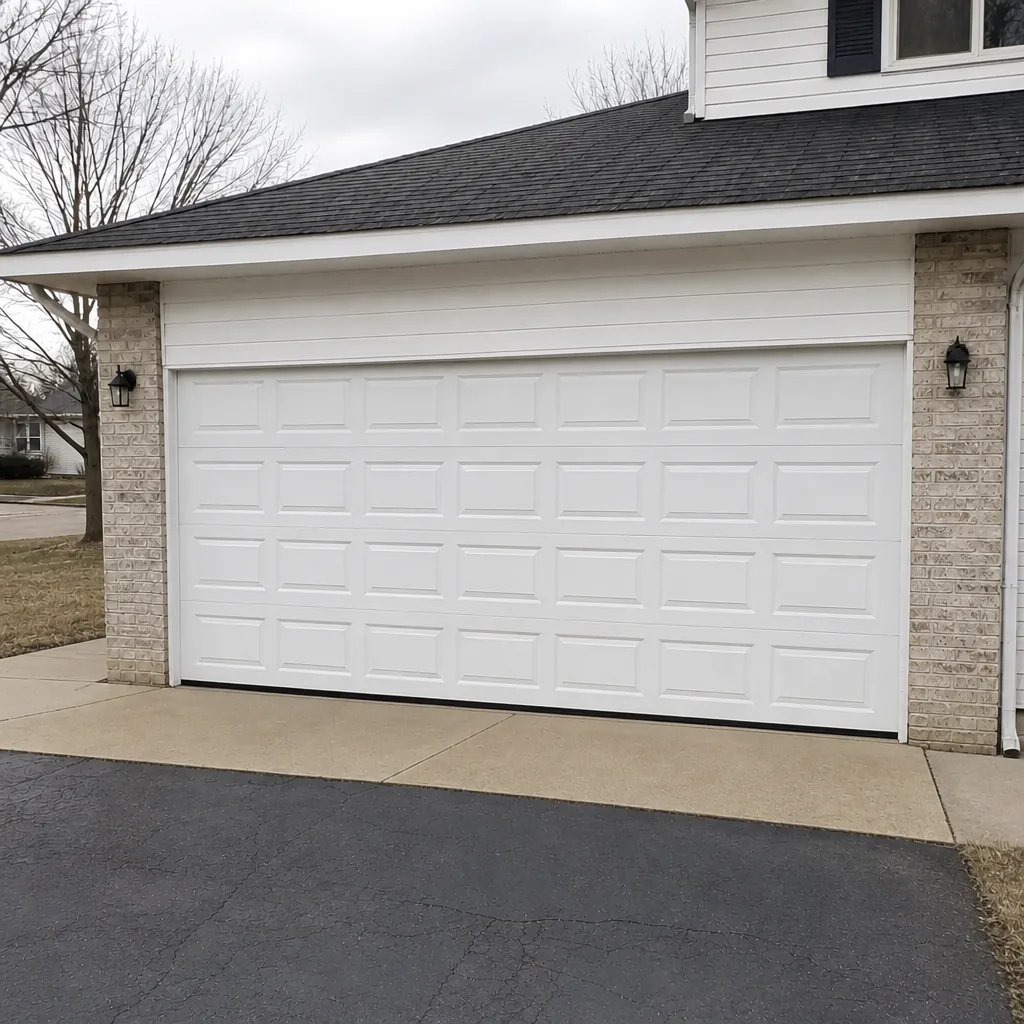
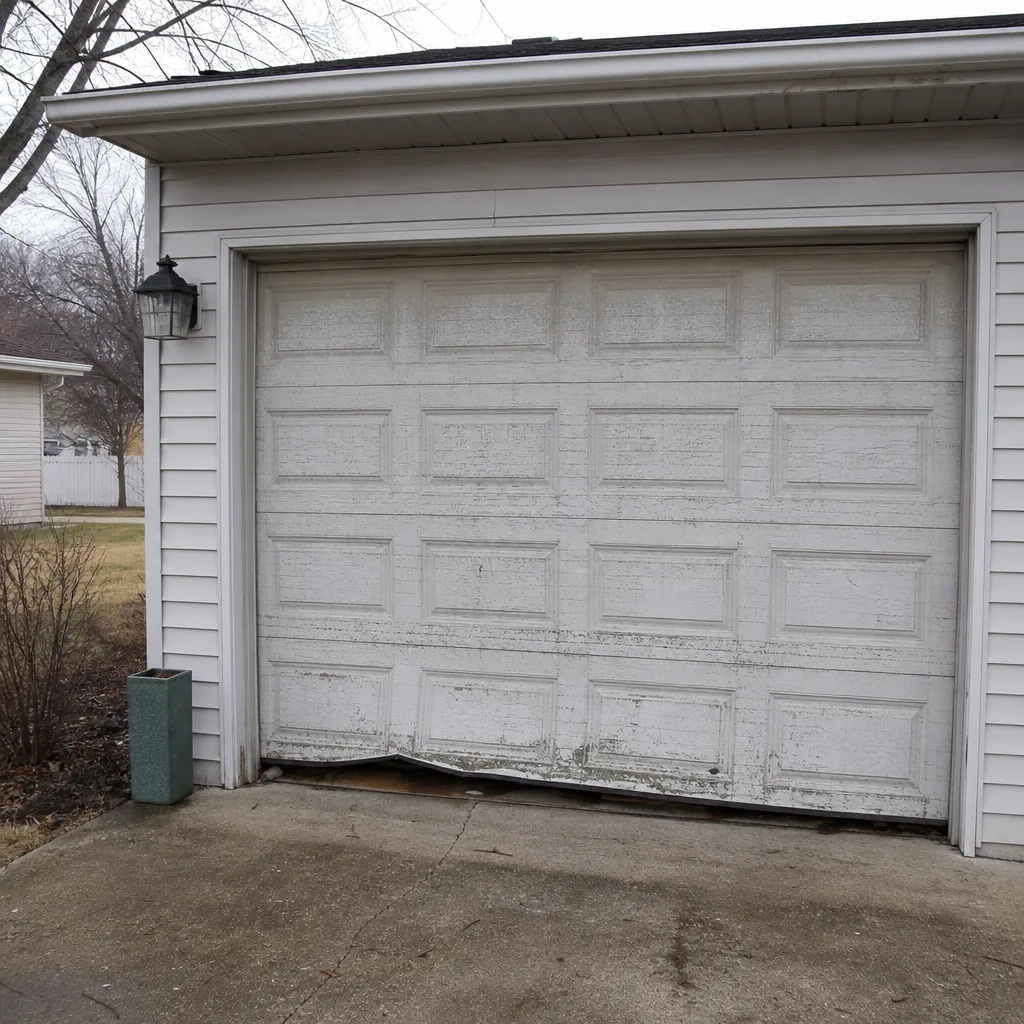
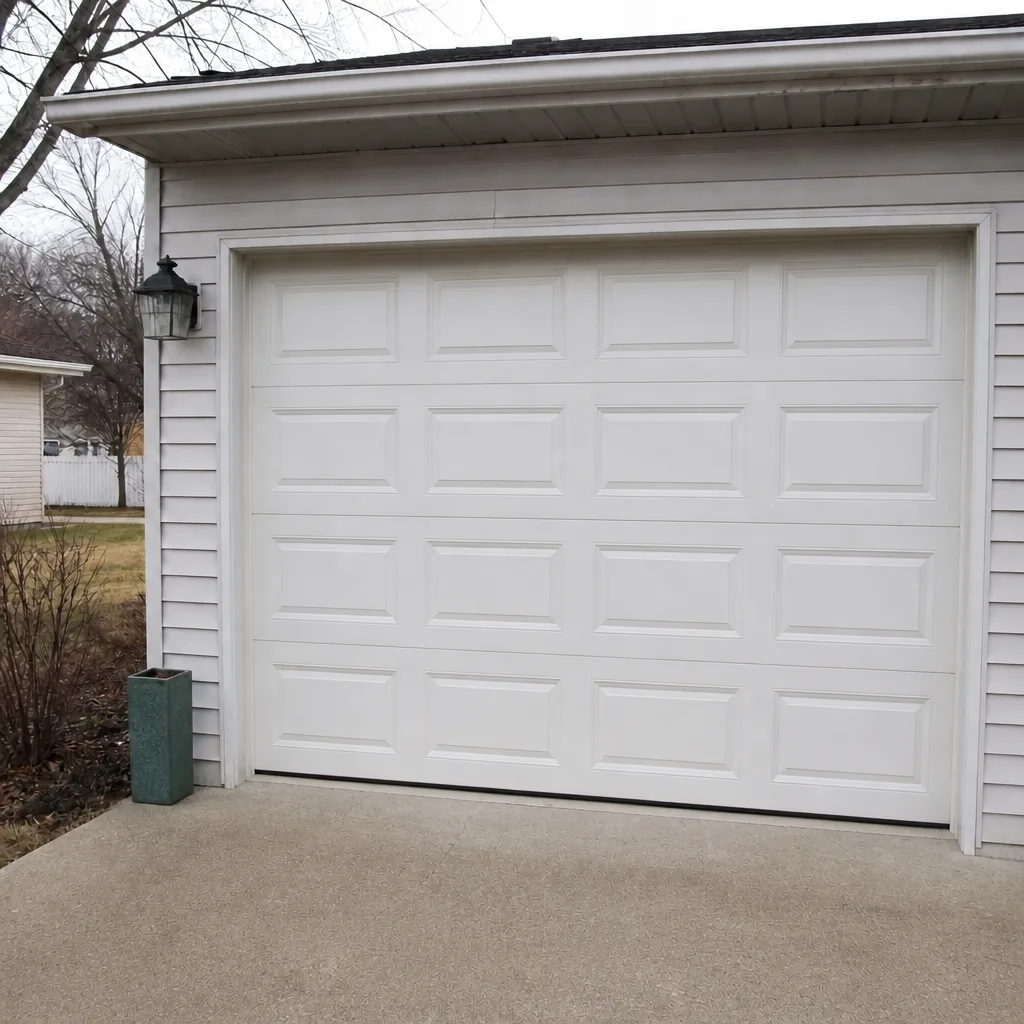
See the difference
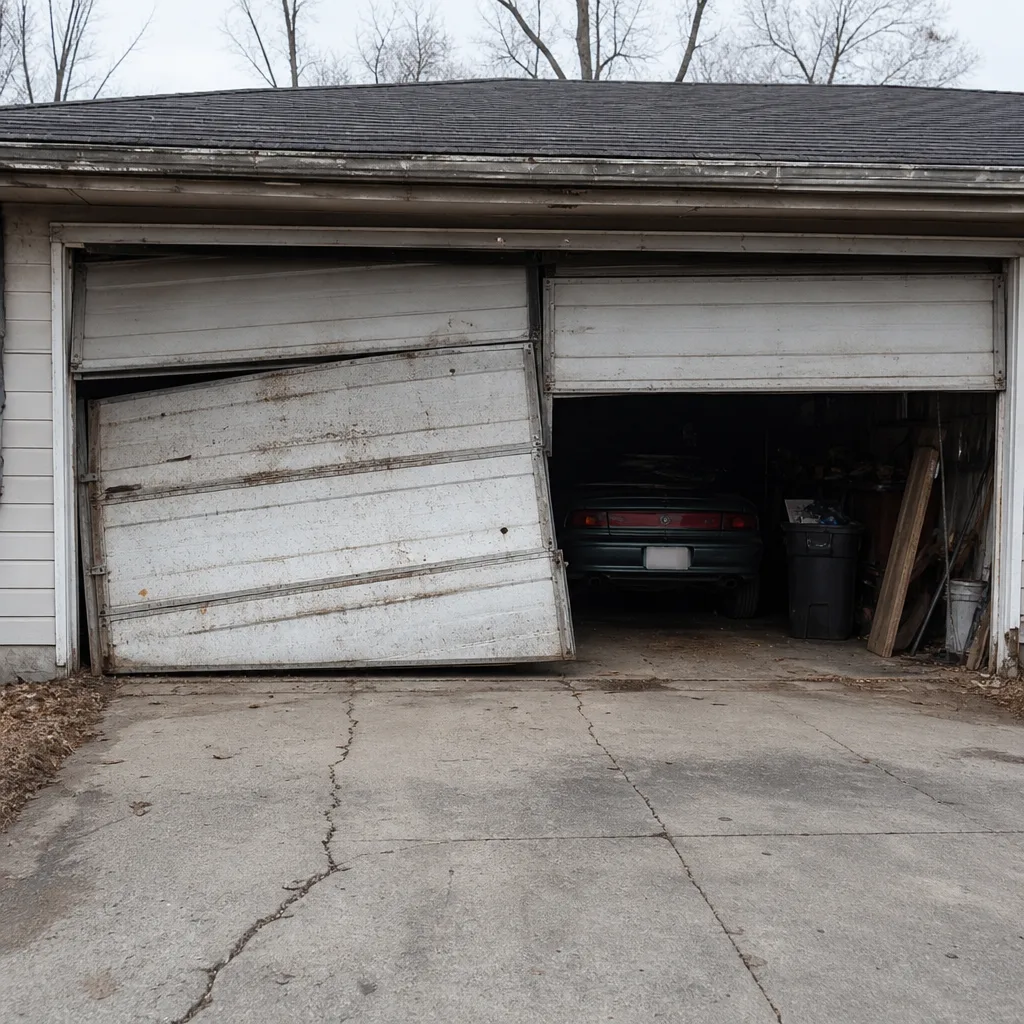 Before
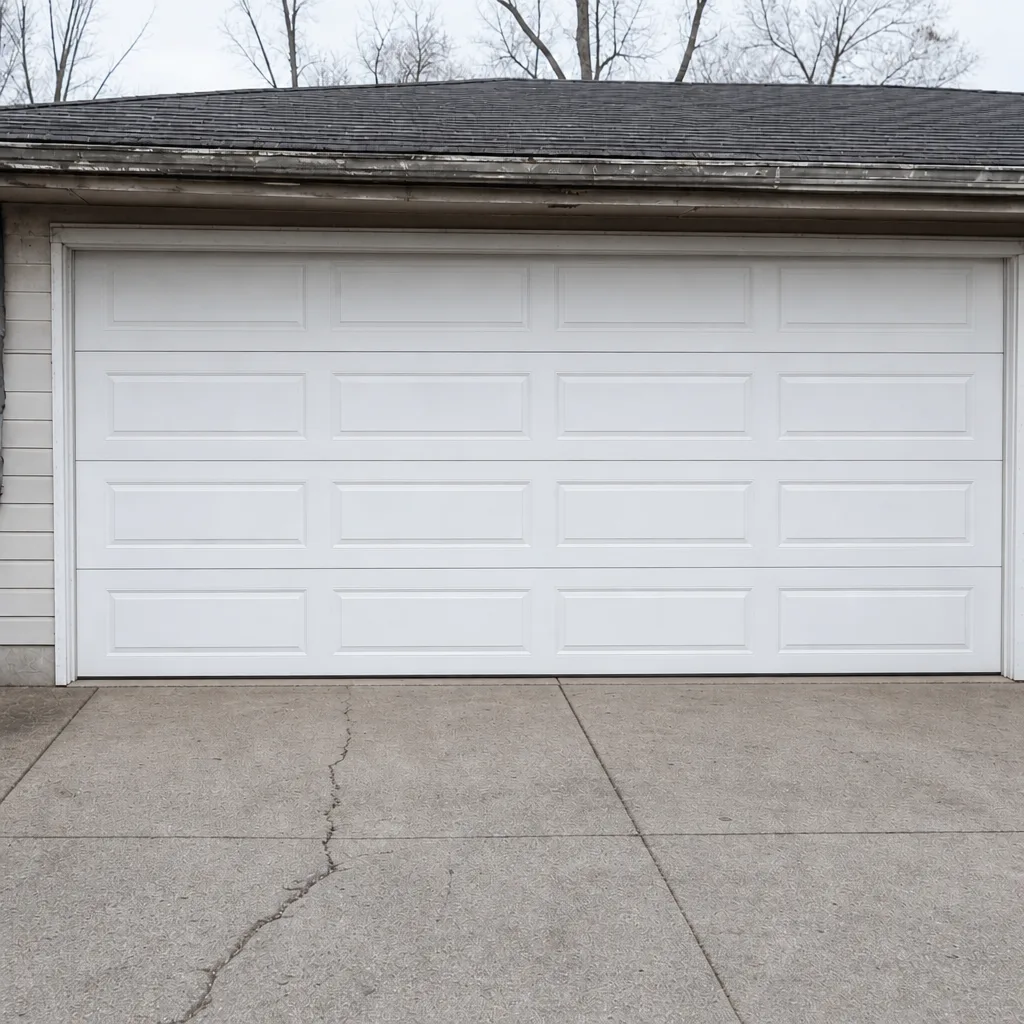 After
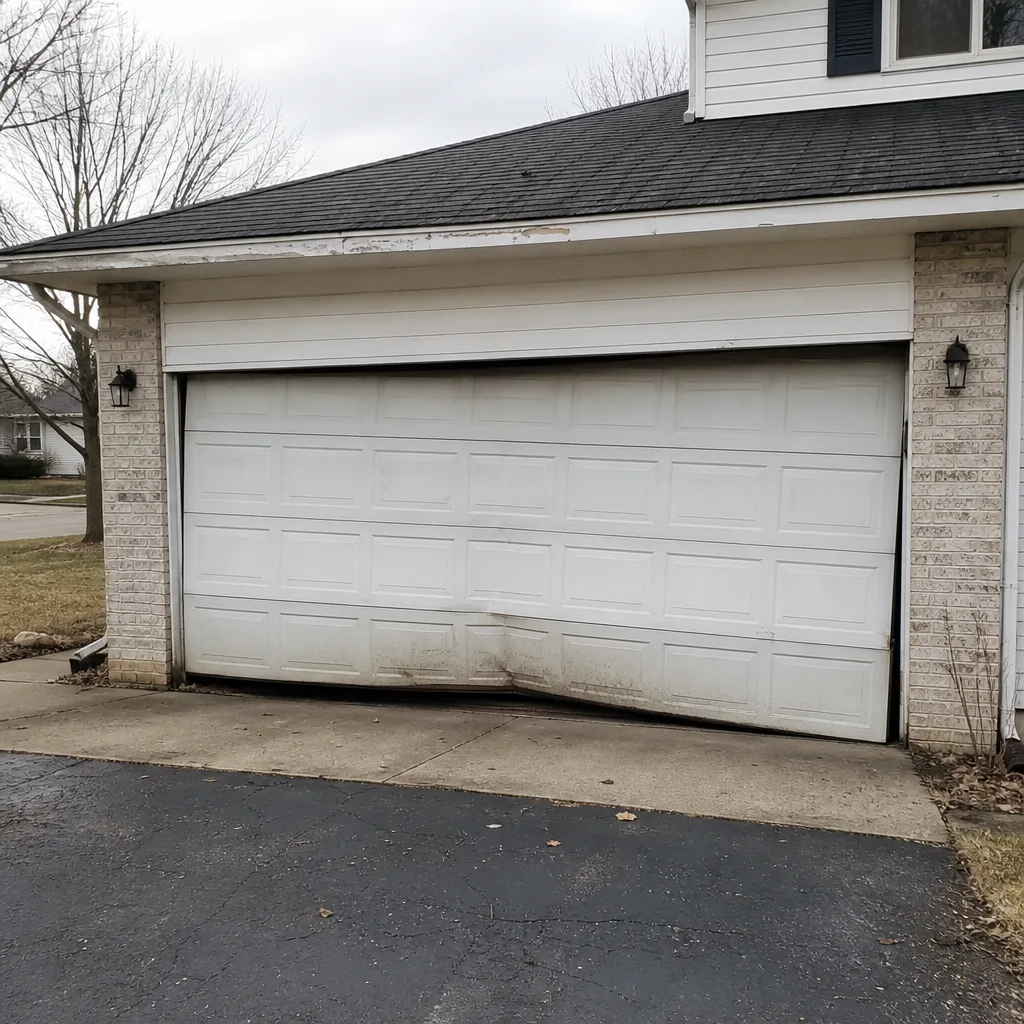 Before
 After
 Before
 After