
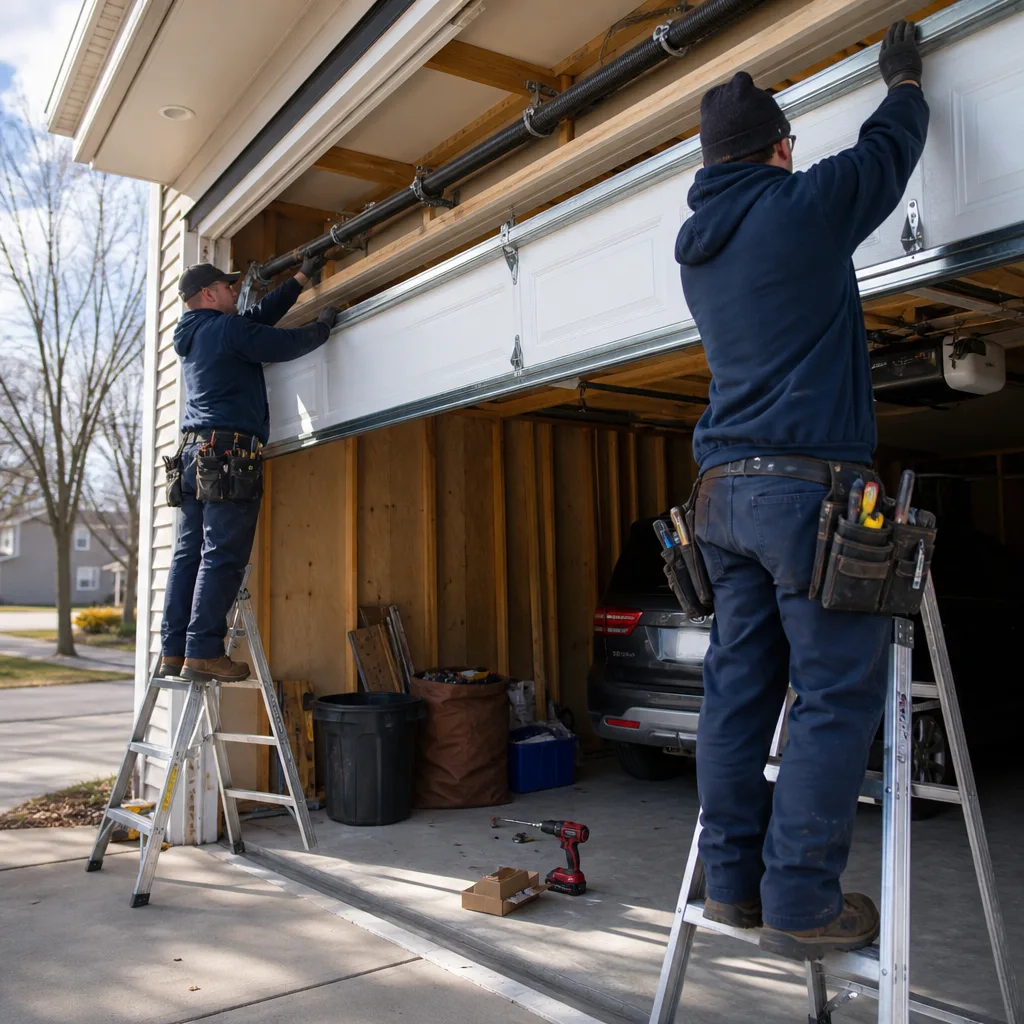
Last updated November 21, 2026
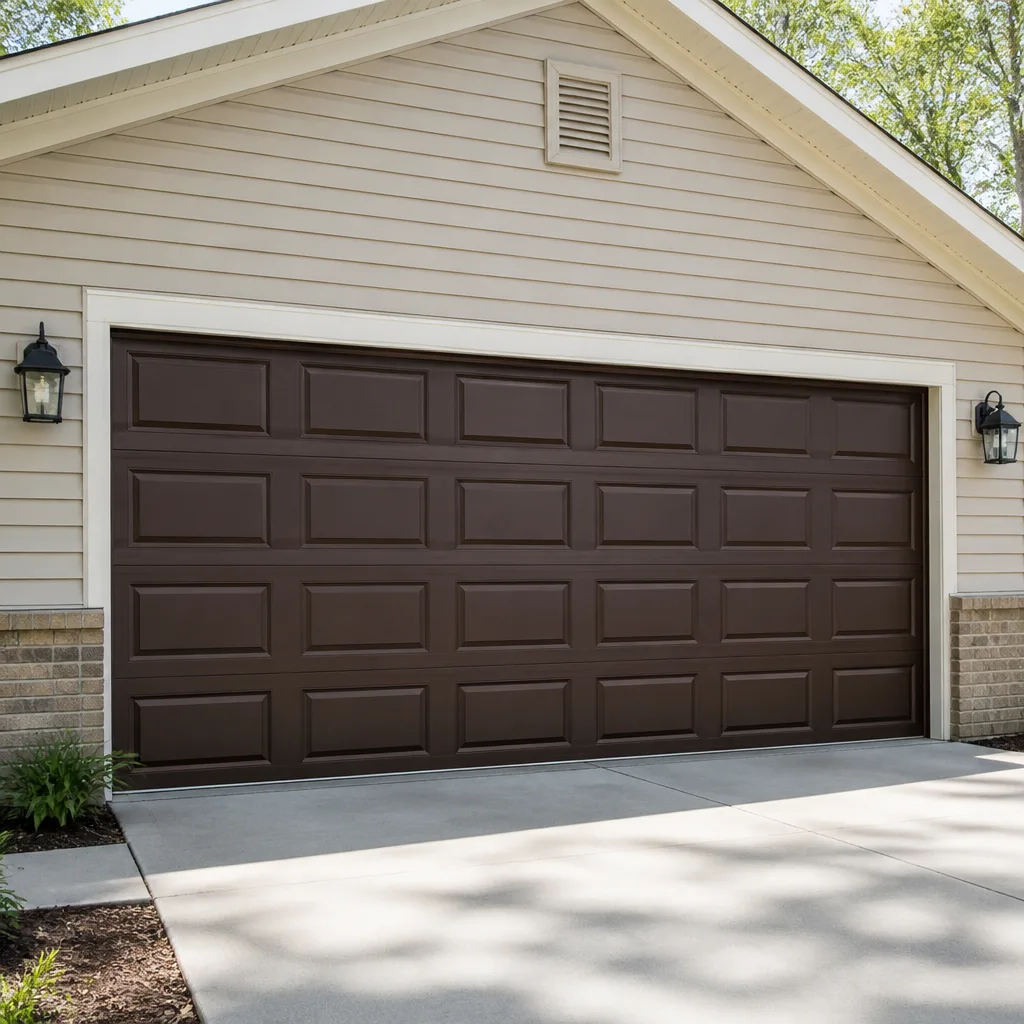 Raised-panel steel
 Carriage house
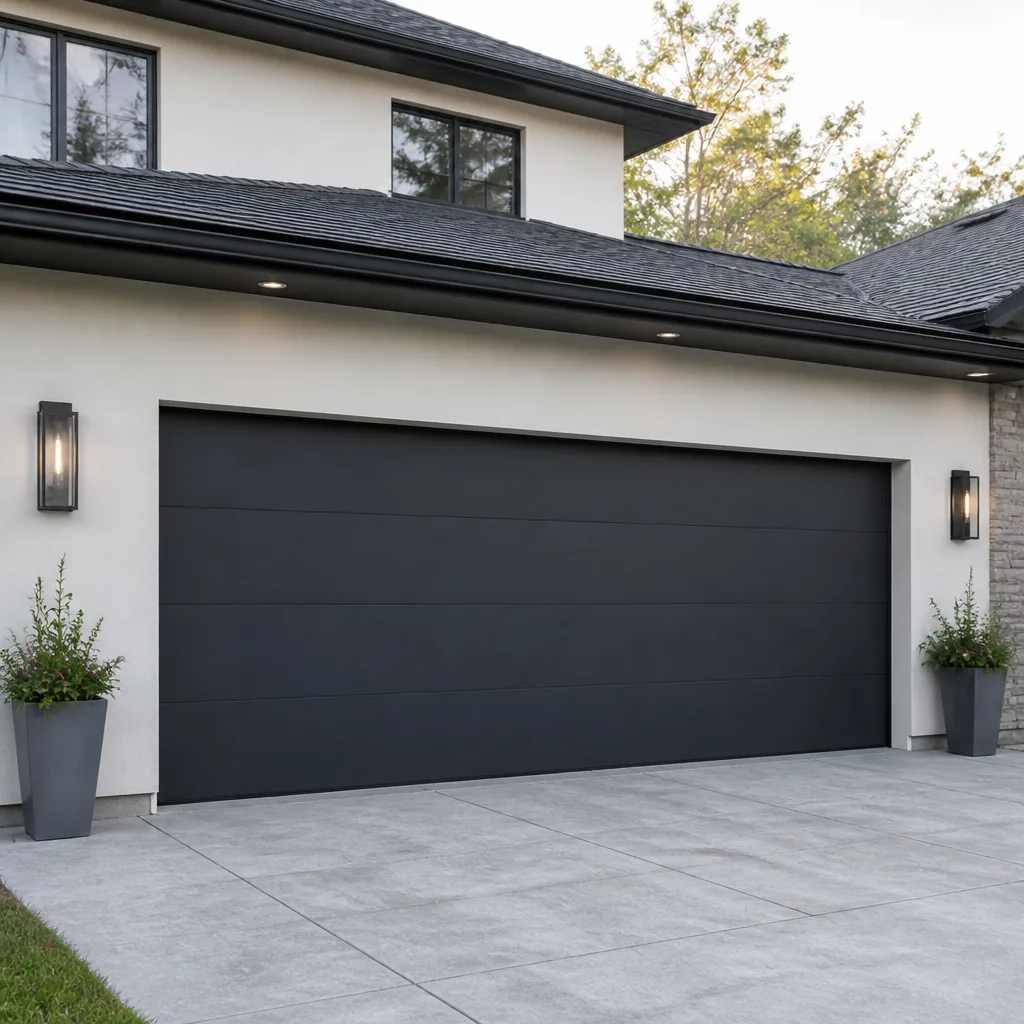 Modern flush
 Full-view glass
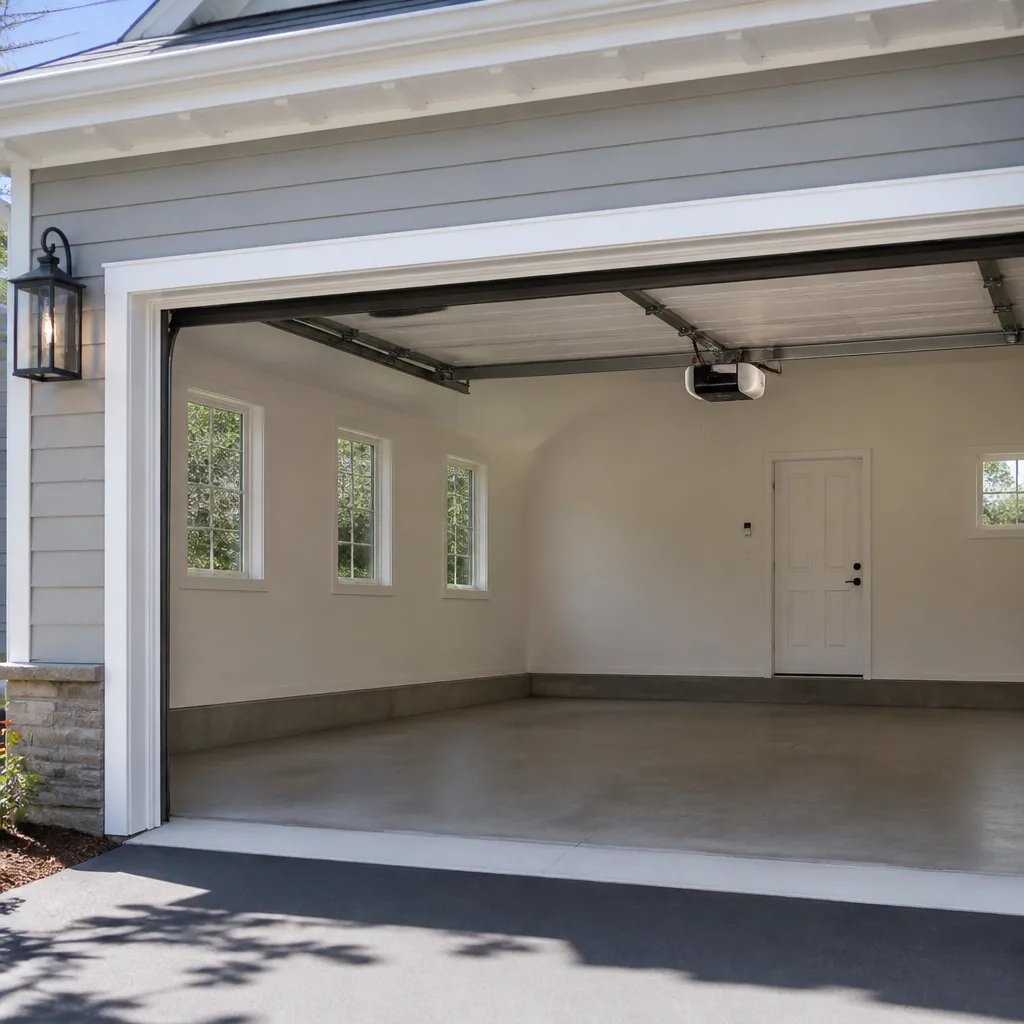 LiftMaster openers
 Chamberlain openers
Full 25-point door and opener safety check with every visit - springs, cables, rollers, tracks, and your LiftMaster or Chamberlain opener included
You get a price before we start. It does not change when the pro arrives.
Get your free estimateGarage Door Repair Maintenance Schedule: What to Do and When
A garage door has more moving parts than most homeowners realize – 10 to 15 depending on the system – and skipping the monthly check that takes 90 seconds is usually what turns a $12 roller into a $400 track replacement. Most maintenance advice tells you to “service your door twice a year” and stops there. That schedule ignores how a door actually ages in Blaine, where a January cold snap and a July humidity spike stress different parts of the same system. This guide gives you a real calendar: what to check each month, which tasks you can honestly do yourself, which ones belong to a trained technician, and how to tell whether a maintenance visit actually happened. We’ll also show you the math behind spring life, so you know roughly when a torsion spring is nearing the end instead of finding out when it snaps.
Quick Answer
Check your garage door once a month (balance, rollers, weatherstripping, safety reverse), lubricate hinges and rollers every three to six months with white lithium grease, and have a professional inspect springs and cables once a year – plus a dedicated check after any hard freeze-thaw cycle in Blaine. Time the heavier jobs to the seasons: weatherstripping and lubrication before winter, spring and cable inspection after the thaw, and opener and vent checks in summer. Replace worn rollers and weather seals as they fail rather than waiting for a set date.
Styles & brands we work with
- Raised-panel steel
- Carriage house
- Modern flush
- Full-view glass
- LiftMaster openers
- Chamberlain openers
Table of Contents
- Month-by-Month Maintenance Calendar for Blaine
- The Right Lubricant for Every Part
- Torsion Spring Cycle Life: Doing the Math
- DIY vs. Professional: Where the Line Actually Sits
- What a Completed Maintenance Visit Should Include
- Opener Care and the Smart Opener Era
- Common Mistakes to Avoid
- Frequently Asked Questions
Month-by-Month Maintenance Calendar for Blaine
A maintenance calendar works best when it follows the seasons instead of the calendar quarter. In Blaine, the door does different work in February than it does in August, and the parts that wear out change with it. Here’s how we’d schedule a full year.
Late fall: prepare for the cold
- Weatherstripping check: Press the bottom seal closed against the floor along its whole length. If light shows through or the seal feels stiff and cracked, it needs replacing before the first hard freeze. A stiff seal lets cold air and snowmelt into the garage and can freeze to the floor, which puts strain on the opener every time the door lifts.
- Lubrication: Hit hinges, rollers, and the torsion spring with white lithium grease. Cold thickens old lubricant, and a dry hinge in January is a squealing hinge in January.
- Balance test: Disconnect the opener and lift the door halfway. It should hold there. A door that drifts down is a door with a spring problem developing.
Early spring: inspect after freeze-thaw
The freeze-thaw cycle is the hardest thing on cables and springs in Blaine. Water works into small gaps, freezes, expands, and thaws, and the metal around it flexes in ways it never does in stable weather. Once the ground stops heaving, walk the door’s full travel and look at the cables for fraying, kinks, or slack. This is the one time of year we’d insist a trained technician look at the springs and cables directly – the failure risk after a hard winter is real, and spring repair is not a task to test yourself on. If something looks wrong, that’s the moment to call garage door spring repair rather than run the door another month.
Summer: openers and vents
Warm, humid air is hard on opener motors. Check that the opener housing has clear ventilation and isn’t buried under storage. Wipe the photo-eye lenses clean. Listen to the motor – a new grinding or humming sound in summer that wasn’t there in spring is worth a look. If your opener is a Genie or a LiftMaster, the manual will list the exact lubrication points for the rail and chain; follow those, not a general rule.
Monthly, year-round
- Run the door through a full open-close cycle and listen for changes in sound.
- Test the safety reverse: place a roll of paper towels under the door and confirm it reverses on contact.
- Look at the rollers – flat spots or wobble mean replacement.
- Check that the door tracks are clear of debris and the door isn’t rubbing.
The Right Lubricant for Every Part
WD-40 is the wrong tool for every part of a garage door. It’s a solvent and a light penetrant, not a lasting lubricant, and it washes away the heavier grease that hinges and rollers actually need. What it does well is loosen a rusted bolt. What it does badly is keep a roller turning quietly for six months.
Here’s what actually belongs on each part:
- Hinges and rollers: White lithium grease. It holds up under load and doesn’t attract dust the way heavier greases can.
- Tracks: Silicone spray, applied lightly. Silicone is dry enough that dirt won’t cling, and it’s the only thing we’d put on a track. Never put grease on a track – it collects grit and grinds the rollers.
- Torsion spring: A light coat of white lithium grease. It reduces friction between the coils as the spring winds and unwinds.
- Nylon rollers: No lubricant needed. Nylon rollers are designed to run dry. Greasing them just attracts grit.
If you own a Clopay or an Amarr door, the manufacturer’s manual will confirm which components on your specific model expect lubrication and which don’t. When in doubt, the manual wins. Our technicians have up to 12 years of experience across all eight major brands – LiftMaster, Chamberlain, Genie, Clopay, Amarr, Wayne Dalton, Craftsman, and Raynor – so we can tell you what your door’s manual says and whether the previous owner followed it.
Torsion Spring Cycle Life: Doing the Math
Torsion springs are rated in cycles, and a cycle is one full open-and-close. A standard residential spring is typically rated for around 10,000 cycles. If your household opens and closes the door four times a day, that’s about 1,460 cycles a year, which puts the spring’s expected life somewhere around seven years. Open it eight times a day and you’re looking at roughly three and a half years. Most Blaine homeowners fall somewhere between those two numbers.
Why does the rating matter? Because a spring doesn’t fail gradually. It winds down, loses tension, and then breaks all at once, usually when the door is down and someone is about to lift it. Knowing the cycle math lets you plan a replacement instead of reacting to a snap. If you can estimate the door’s daily use and you know roughly when the spring was last replaced, you can make a reasonable guess at how much life is left.
Here’s the math in a simple form:
- Count how many times the door opens and closes on a typical day.
- Multiply by 365 to get annual cycles.
- Divide the spring’s cycle rating (typically 10,000) by the annual figure.
- That’s your rough expected life in years from installation.
Two things can shorten that estimate. A door that’s out of balance forces the spring to work harder than it should, and a door that’s heavier than standard (insulated steel doors, for example) also uses up cycles faster. The brand matters less than the specifications. A Wayne Dalton door with a heavier panel and a properly sized spring will last longer than a lighter door with an undersized spring, regardless of branding. When the math points toward the end of a spring’s life, the safest move is a professional inspection rather than running it until it fails. Springs are the most dangerous component in a garage door system – they hold the door’s full weight under tension, and a DIY replacement is how people get seriously hurt.
DIY vs. Professional: Where the Line Actually Sits
The line between DIY and professional isn’t about liability – it’s about tools and skill. Some tasks genuinely don’t require either. Others require both, and a few will hurt you if you get them wrong. Here’s an honest split.
Safe for most homeowners
- Testing the balance of the door (disconnect the opener, lift halfway, see if it holds).
- Testing the safety reverse with a roll of paper towels or a scrap of lumber.
- Wiping down photo-eye lenses and checking the alignment of the sensors.
- Lubricating hinges and rollers with white lithium grease.
- Cleaning tracks with a shop vacuum and a damp cloth.
- Replacing weatherstripping on the bottom seal.
- Checking the opener housing for ventilation and cleaning the vents.
Better left to a technician
- Adjusting or replacing torsion springs or extension springs. This is the highest-risk job on the door and requires winding bars, a firm hold on stored energy, and a working knowledge of spring sizing.
- Cable replacement. Cables are under tension and can whip if released wrong.
- Track realignment. A bent track means the door is running out of true, and straightening it badly is how doors come off their rollers.
- Roller replacement on the lower brackets, which carry more load than the upper ones.
- Opener repair, especially on modern smart openers with logic boards and Wi-Fi modules.
The real trap on the DIY side is thinking that a small adjustment is a small job. A door that’s out of balance can be adjusted by turning a spring – but adjusting the spring without the right knowledge can over-wind it, which is how a door comes crashing down. If a door is heavy to lift, won’t stay up, or feels wrong, that’s a technician call, not a weekend project. For those jobs, our garage door repair covers everything from a single worn roller to a full track realignment.
What a Completed Maintenance Visit Should Include
A maintenance visit that consists of a technician walking around the door and nodding isn’t a maintenance visit. It’s a sales call. Here’s what a proper visit should include, so you can tell the difference.
- Balance test with the opener disconnected, and a note on whether the door stayed put.
- Spring and cable inspection – looking for fraying, rust, and stretch, not just a glance.
- Roller inspection at every hinge point, with a note on wheel condition and bearing noise.
- Hinge and track inspection for looseness, bends, and misalignment.
- Weatherstripping check on the bottom, sides, and top of the door.
- Safety reverse test on both the contact and photo-eye systems.
- Lubrication of moving parts using white lithium grease on hinges and rollers and silicone on tracks.
- Opener check – force settings, chain or belt tension, and a listen for abnormal motor noise.
Ask for a written summary of what was found and what was adjusted. If a part needed replacement and the technician didn’t mention it, that’s a sign the visit was rushed. If they did mention it, ask why – a worn roller is a fair reason to recommend a replacement; “it’s getting old” without a specific defect is not. Any price for replacement work should be quoted and agreed before the work starts, so there are no surprises on the invoice.
Opener Care and the Smart Opener Era
Openers used to be simple: a motor, a chain, and a light bulb. Today’s openers – including most LiftMaster and Chamberlain models – are network devices with logic boards, battery backups, and app connectivity. That changes the maintenance picture.
The good news is that most of the maintenance is still physical. Check the chain or belt tension once a year and adjust if the manual calls for it. Keep the opener housing clear of stored items so the motor can breathe. Test the battery backup if your unit has one. And clean the photo-eye lenses – a surprisingly high percentage of “my opener is broken” calls turn out to be a blocked or dirty sensor.
The electronic side needs less attention, but it’s not zero. Firmware updates on connected openers arrive through the app, and a smart opener that suddenly stops responding is usually a Wi-Fi issue rather than a hardware failure. When the board or the motor does fail, though, that’s a job for a trained technician. We handle garage door opener repair across the dominant platforms, both the smart units and the older ones still running in plenty of Blaine garages. One call covers both the door and the opener, so you’re not coordinating two contractors for one problem.
Common Mistakes to Avoid
- Using WD-40 as a lubricant. It’s a solvent, not a grease, and it strips away the protective lubricant on hinges and rollers. Use white lithium grease for hinges and rollers, silicone for tracks.
- Greasing the tracks. A greased track collects grit, which grinds rollers and accelerates wear. Tracks want silicone spray, applied lightly, and nothing else.
- Waiting for a spring to break before thinking about it. In Blaine’s freeze-thaw climate a spring under strain can go with very little warning. Do the cycle-life math and replace on a schedule rather than a snap.
- Adjusting a torsion spring without the right tools. A spring holds the door’s weight under tension, and a slip can cause serious injury. This is the one part of the system that should always go to a trained professional.
- Skipping the post-winter inspection. The hardest stress on cables and springs in Blaine happens between January and April. A spring check in early spring catches problems before they become emergencies.
- Ignoring a noisy door. Squealing or grinding is usually a sign of a dry hinge or a failing roller. Both are cheap to fix at the start and expensive to fix after the track has bent.
- Assuming a maintenance visit happened because a bill arrived. Ask for the written summary and verify the safety reverse was tested. If the technician can’t describe what they did, the door probably wasn’t serviced.
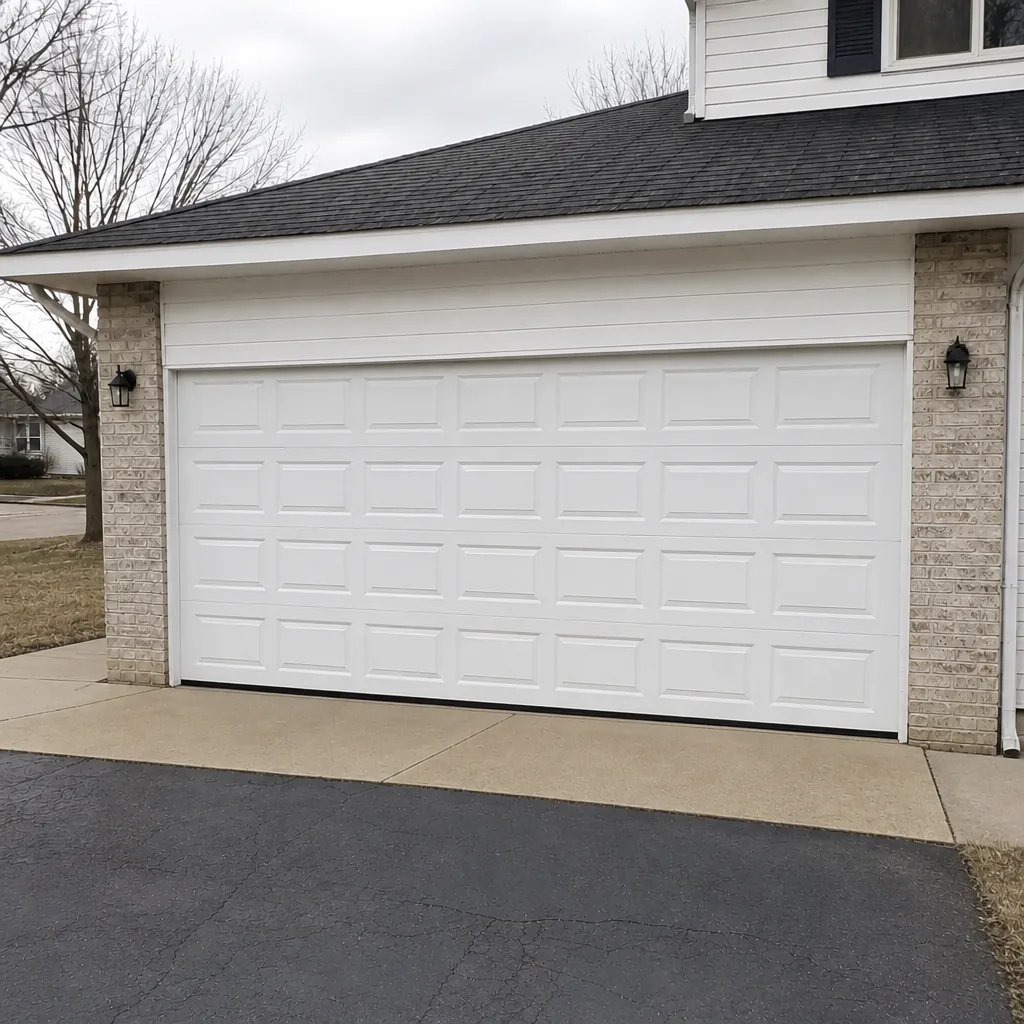
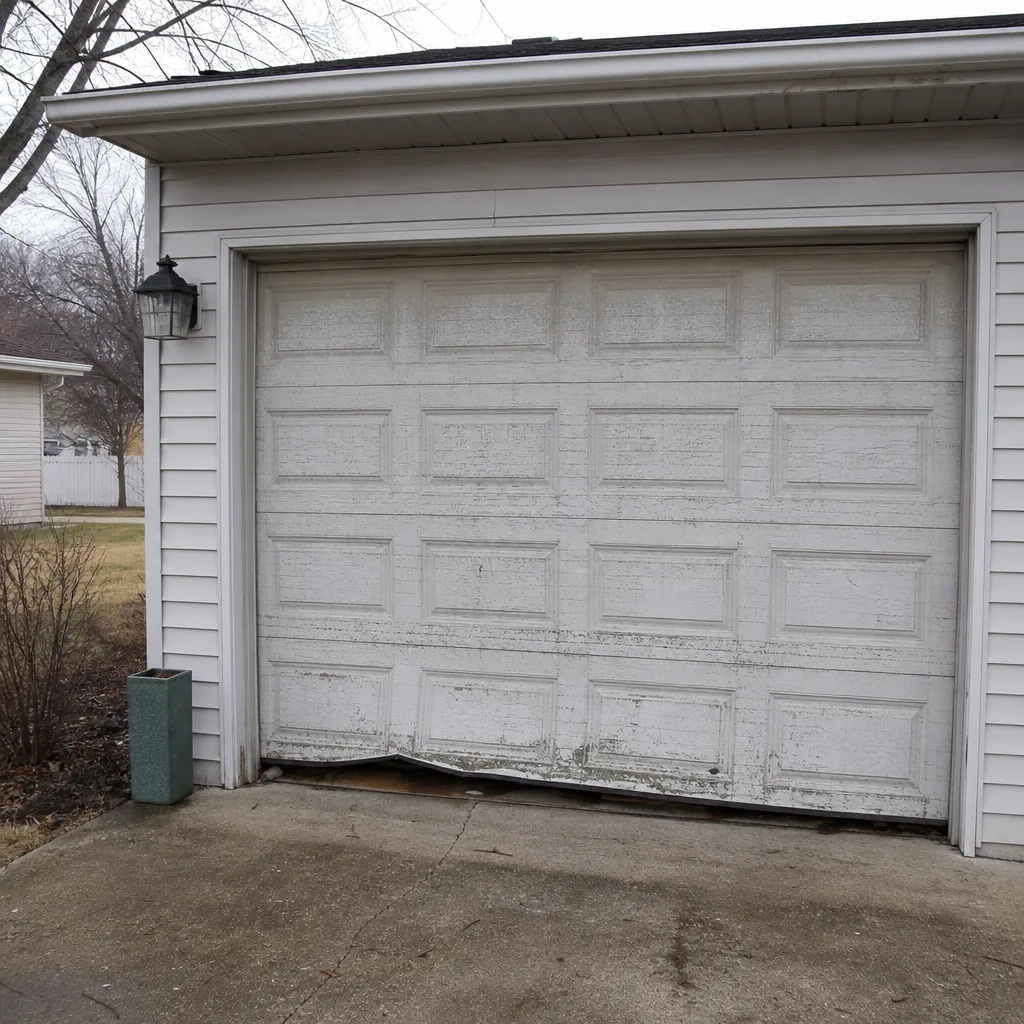
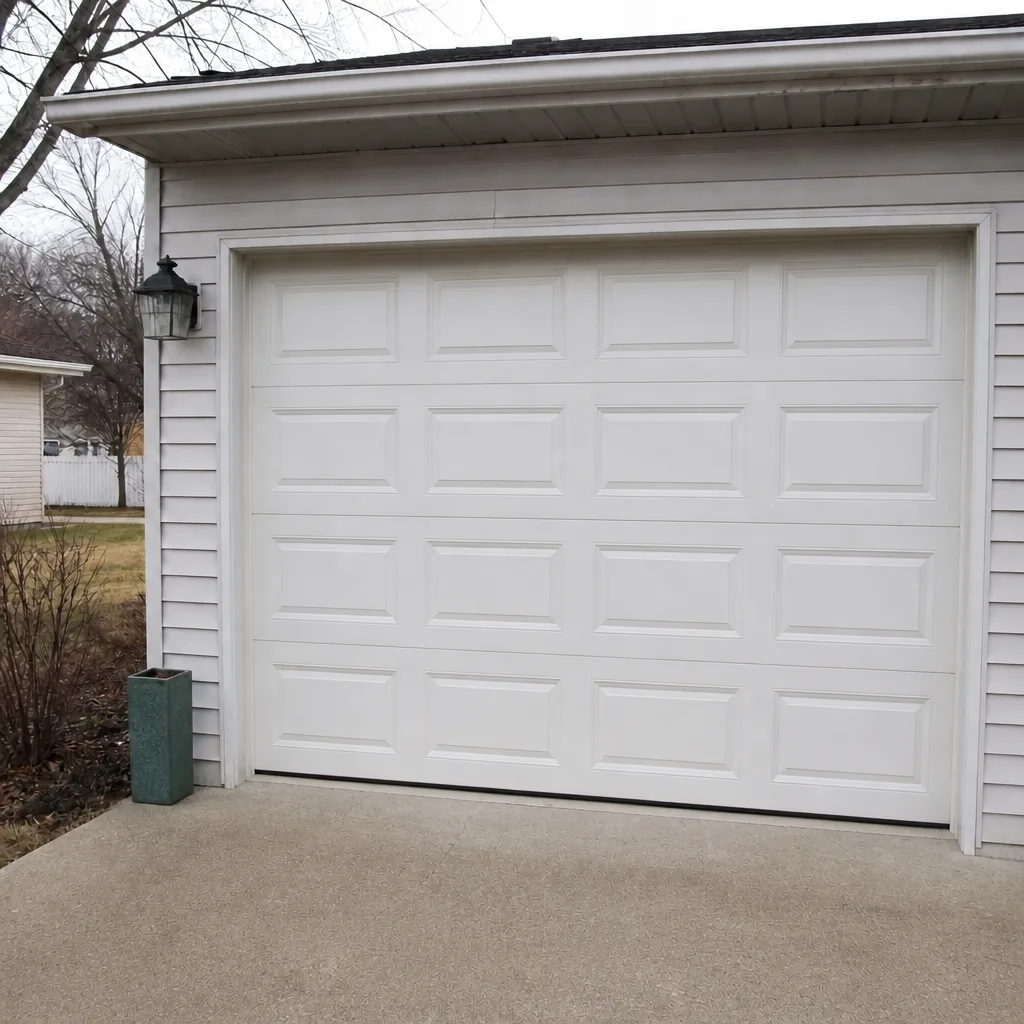
See the difference
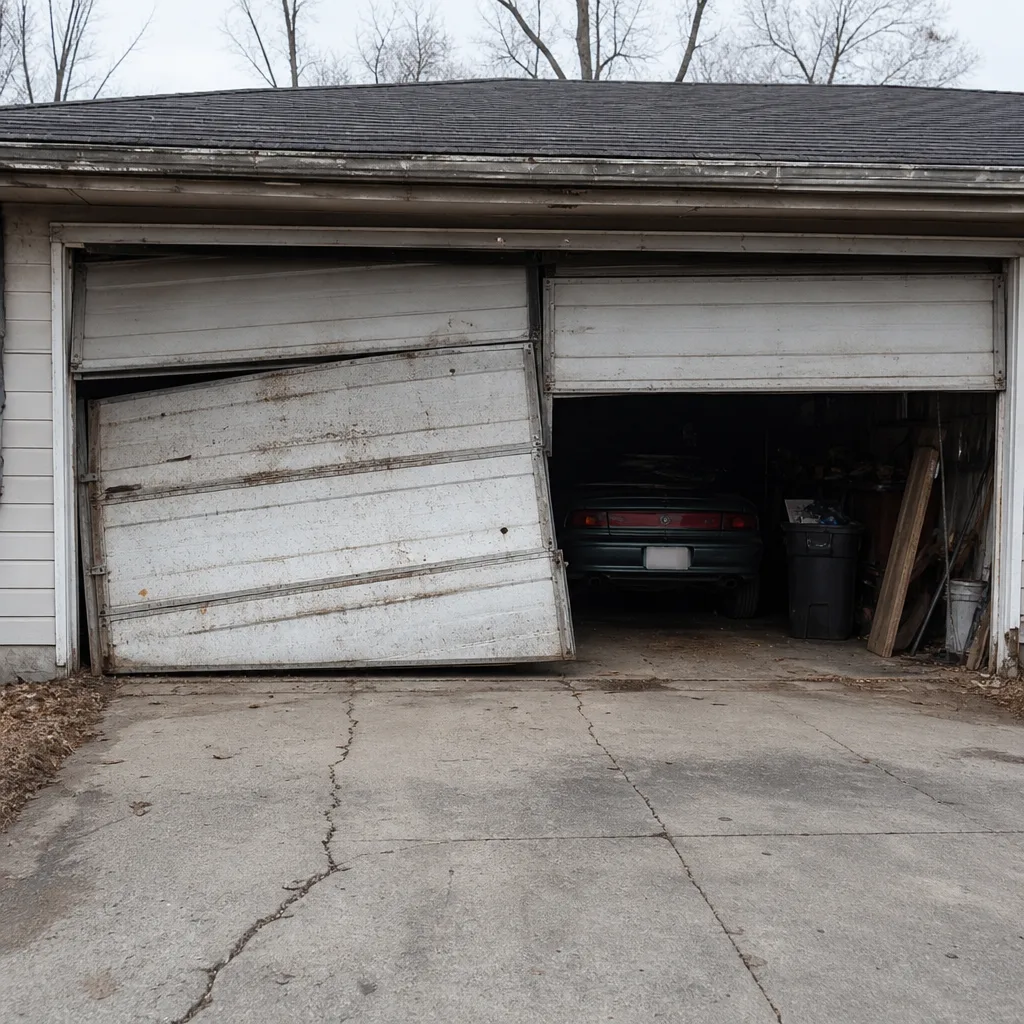 Before
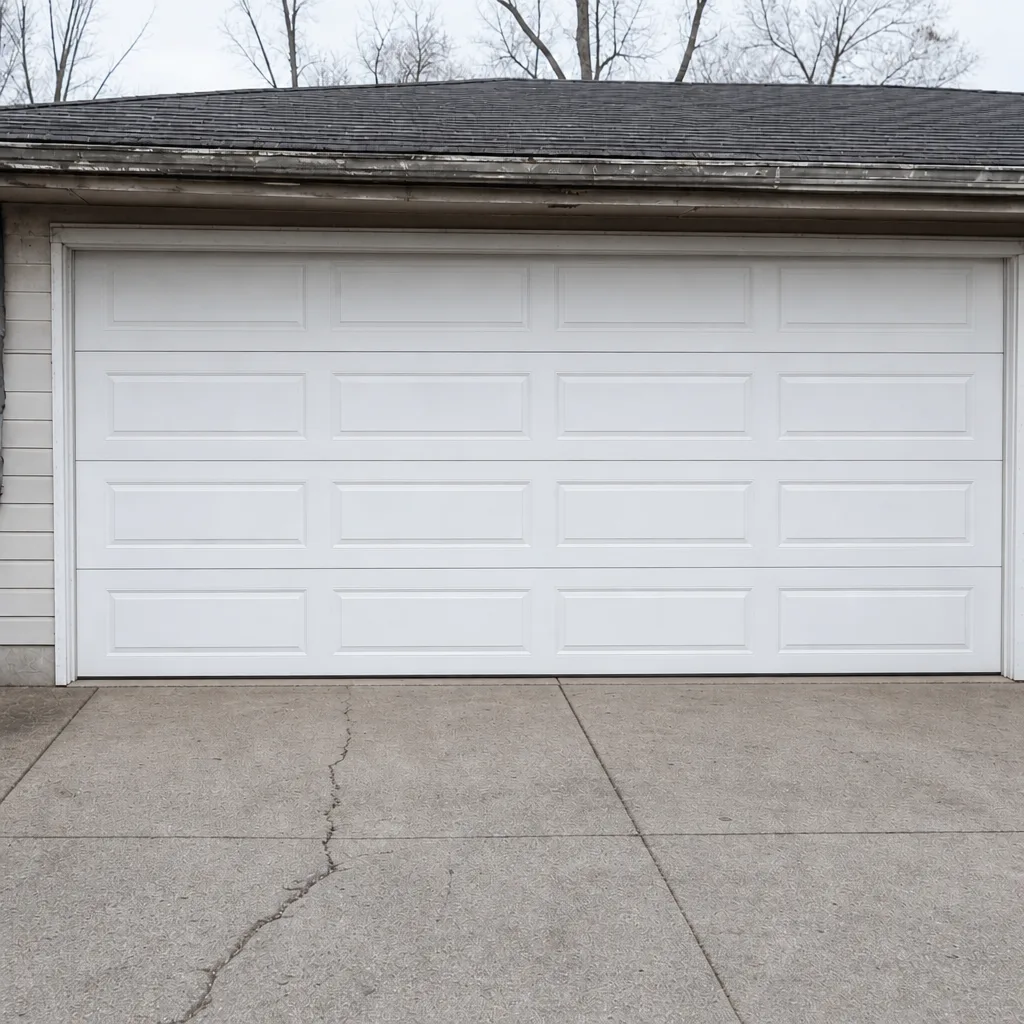 After
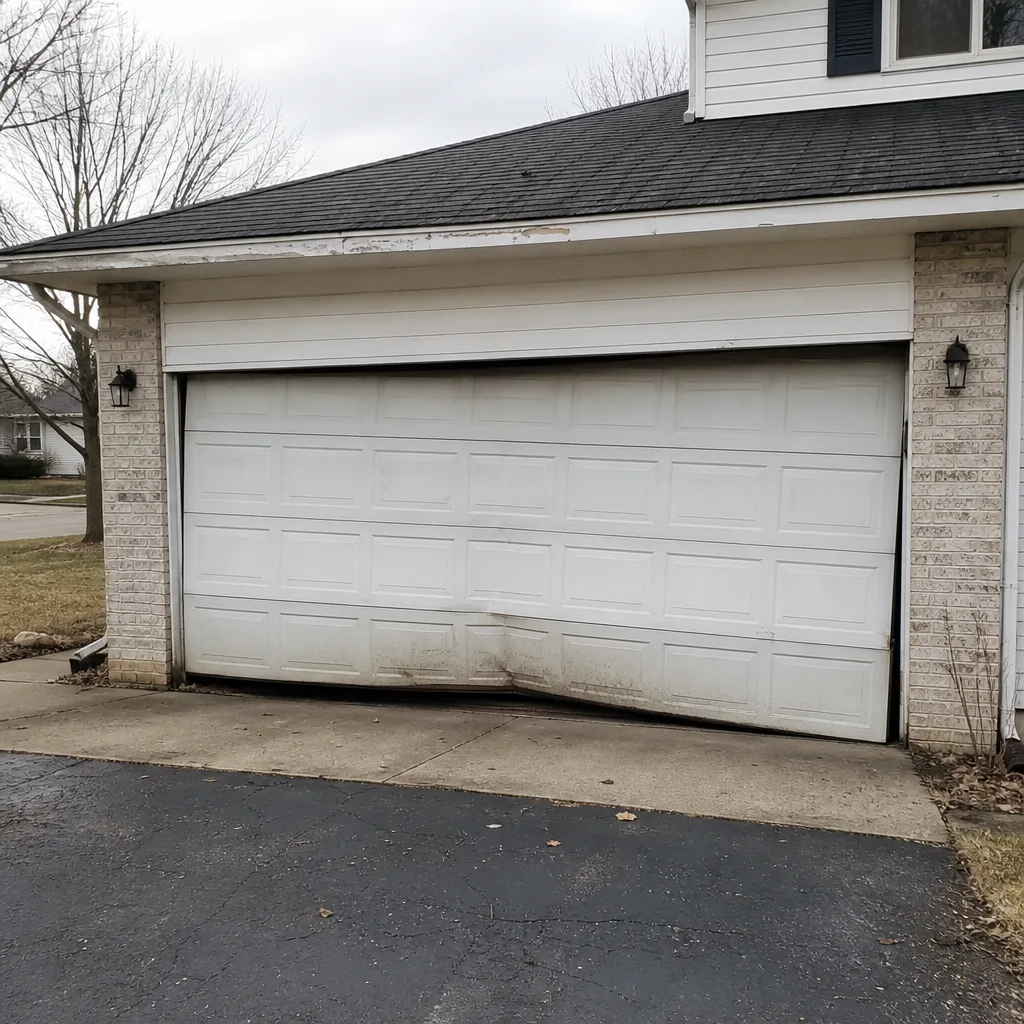 Before
 After
 Before
 After
When to Call a Professional
Some situations call for a technician no matter how handy you are. If a spring has snapped, if a cable is frayed or slack, if the door is off its track, or if the door won’t stay up when you lift it halfway, stop using the door and call for help. Those are the failure modes where an amateur repair can turn a manageable fix into a dangerous one. If your opener is dead or behaving erratically, call a technician before you start swapping parts. We’re a garage door specialty company – we know the brand you already have, and we handle the full job from a single broken cable to a complete new door and opener system. Blaine Garage Door Repair Pros offers free estimates in Blaine – call (877) 302-7764. We answer 24/7. Fast dispatch from 7am to 7pm, Sunday through Friday.
Frequently Asked Questions
Once a year for a professional inspection, with a self-check once a month and lubrication every three to six months. In Blaine, add a spring and cable inspection in early spring after the freeze-thaw cycle, since that’s when the worst wear shows up. If you run the door more than six times a day, a mid-year check is worth considering.
Yes, for hinges, rollers, and tracks. White lithium grease on hinges and rollers, silicone spray on tracks, and nothing on nylon rollers. What you should not touch yourself is the torsion spring adjustment – that’s a professional job. Call (877) 302-7764 for an exact quote – estimates are free.
A standard residential torsion spring is typically rated for around 10,000 cycles, which works out to roughly three to seven years depending on how often you open the door. A household that opens the door four times a day gets around seven years from a 10,000-cycle spring. Opening it eight times a day cuts that to about three and a half years.
Most repairs don’t, but a full door replacement sometimes does, and requirements can change. Check with the City of Blaine’s building department before any major work. If your door comes off its track and you’re not sure why, that’s a separate question – call us and we’ll tell you what the likely cause is.
A balance test, spring and cable inspection, roller and hinge inspection, track alignment check, weatherstripping check, safety reverse test on both the contact and photo-eye systems, lubrication of moving parts, and an opener check. Ask for a written summary so you can verify what was actually done. Any replacement work should be quoted before it starts.
The physical maintenance is largely the same: check chain or belt tension, keep the housing ventilated, test the battery backup if there is one, and clean the photo-eye lenses. The electronic side mostly looks after itself. If it stops responding, check the Wi-Fi connection first before assuming the board has failed. If it’s a board or motor failure, that’s a technician call.
The Bottom Line
A maintenance schedule works when it’s built around the door’s actual stress points, not a generic twice-a-year reminder. In Blaine, that means heavier checks in late fall and early spring when the freeze-thaw cycle does its worst work, plus routine lubrication and balance checks the rest of the year. Keep the DIY tasks to lubrication, weatherstripping, and monthly testing. Leave the springs, cables, and opener internals to a trained technician. And when a maintenance visit is done, ask for the written summary so you know it happened. If something’s wrong with your door that maintenance won’t fix, call (877) 302-7764 – free estimates, and a written price you can hold someone to. If you’d rather start at the beginning, the Blaine Garage Door Repair Pros home page covers the full range of what we do.
Written by the team at Blaine Garage Door Repair Pros.